Still Life
May 2025
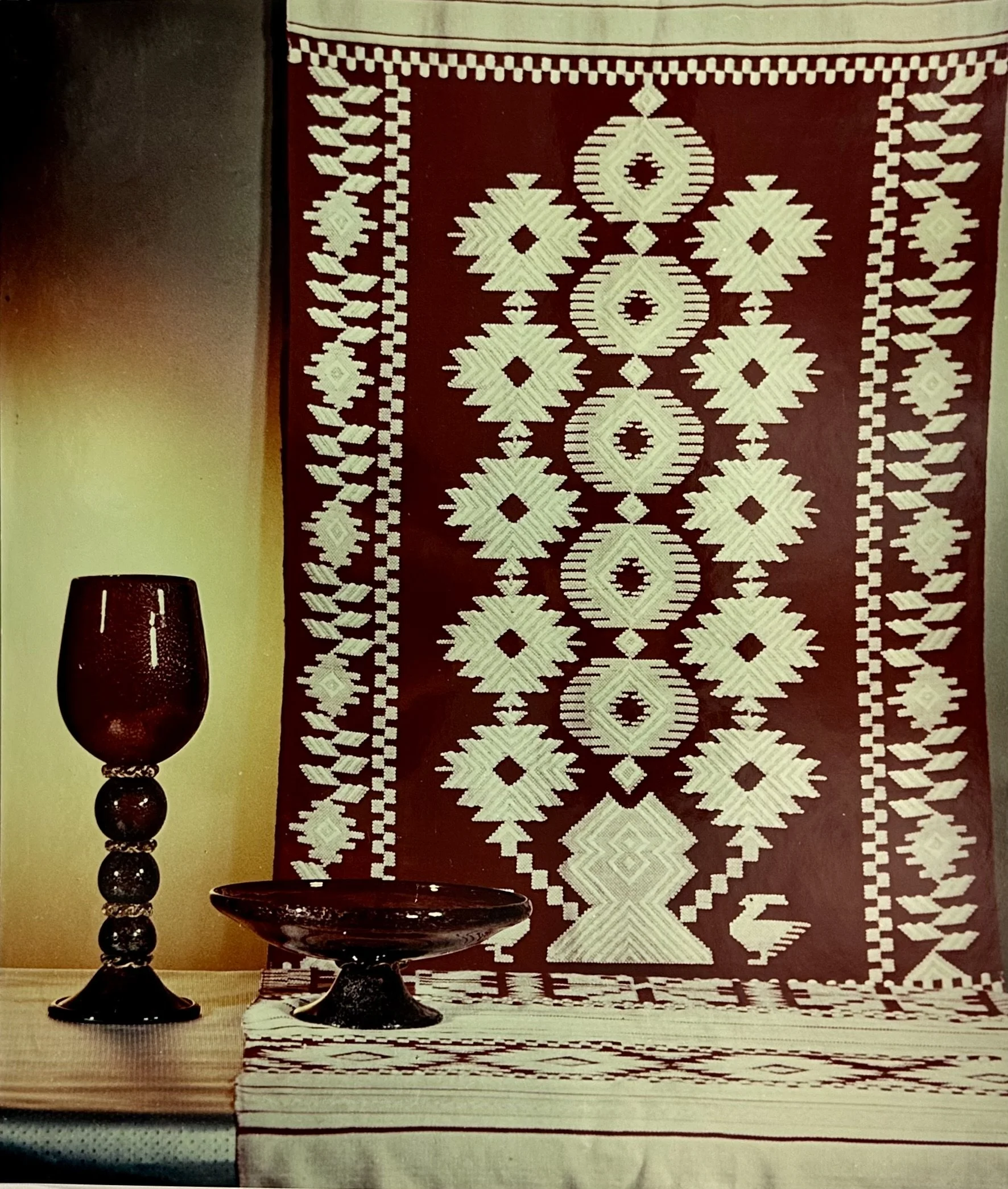
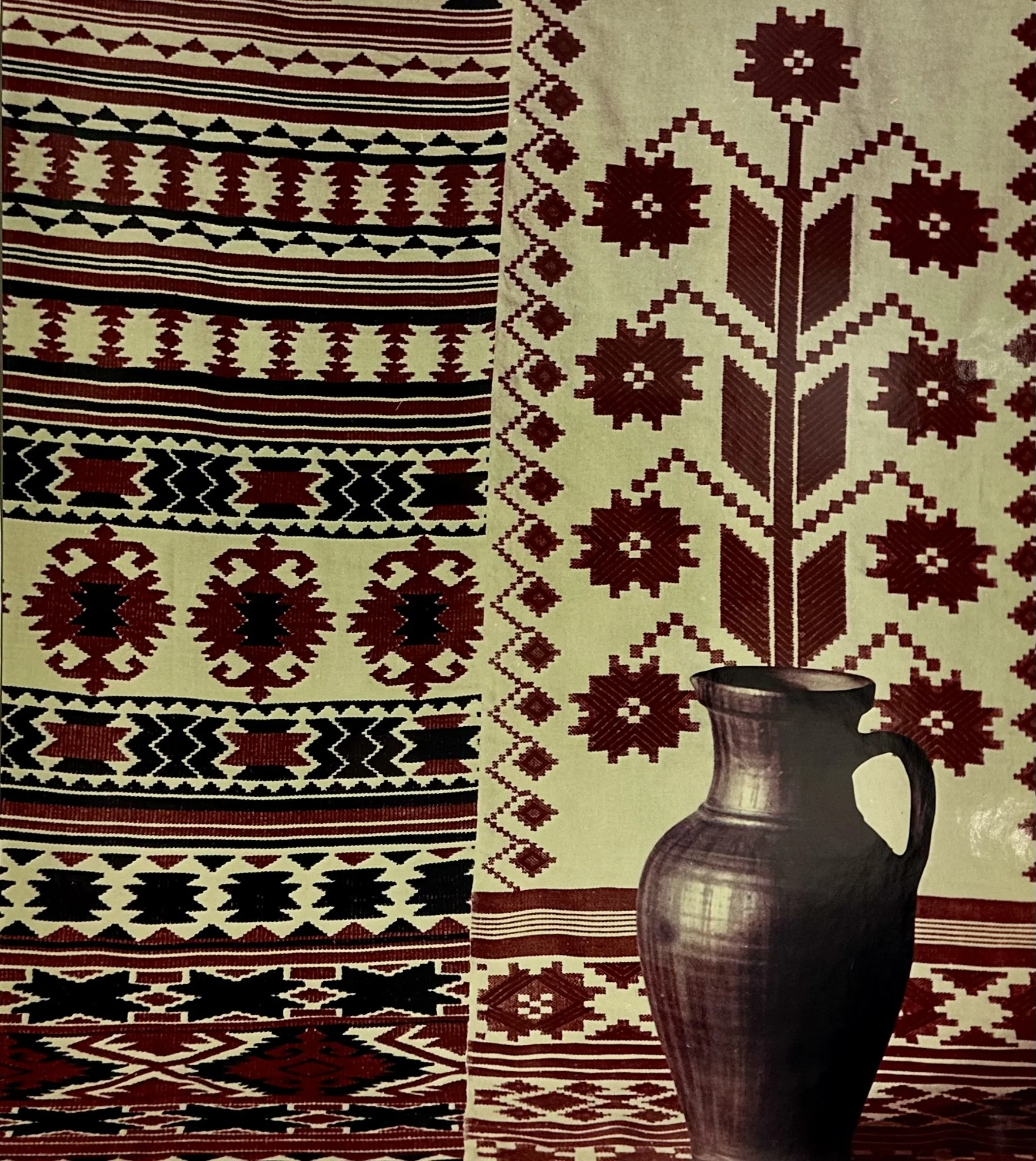
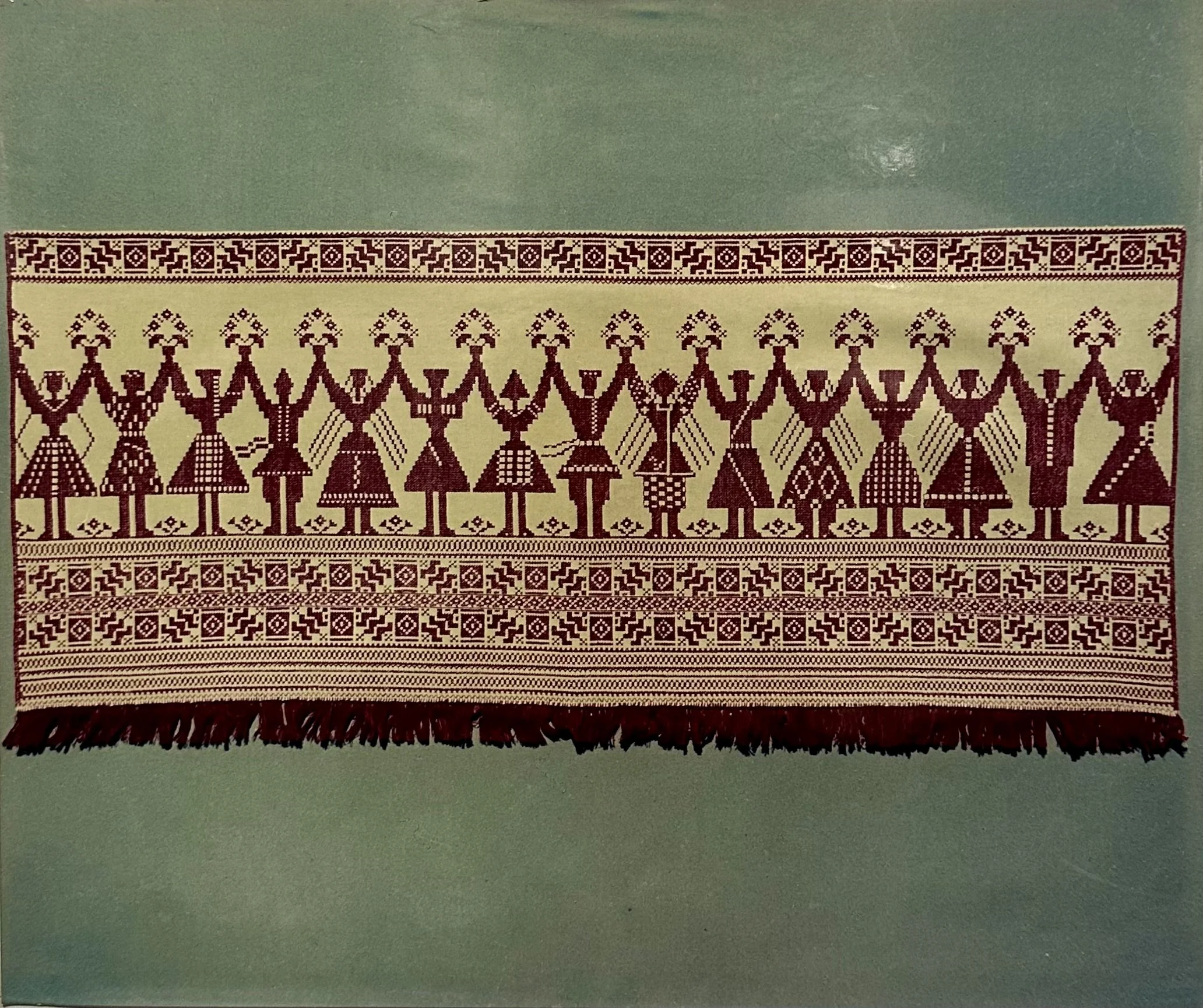
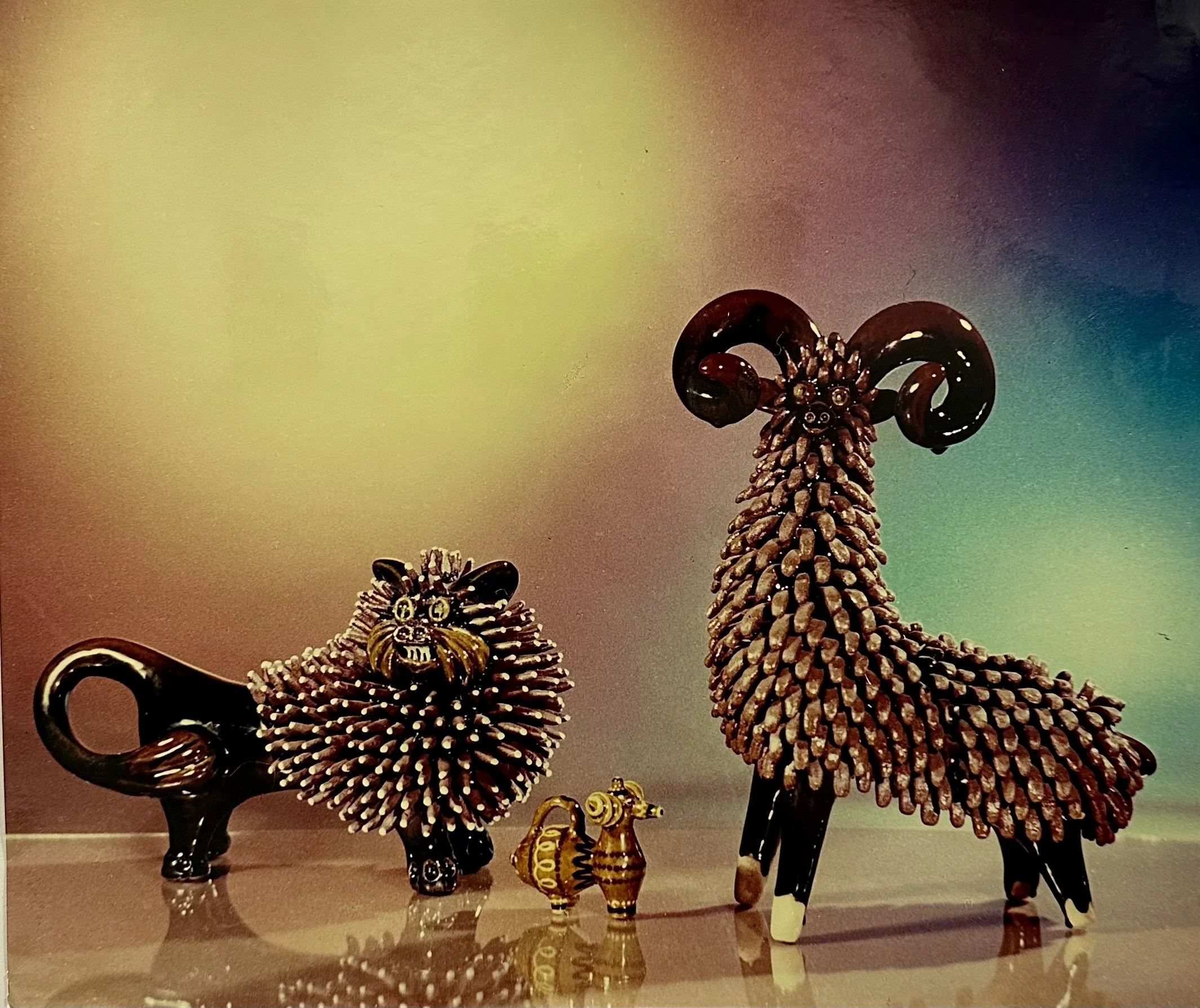
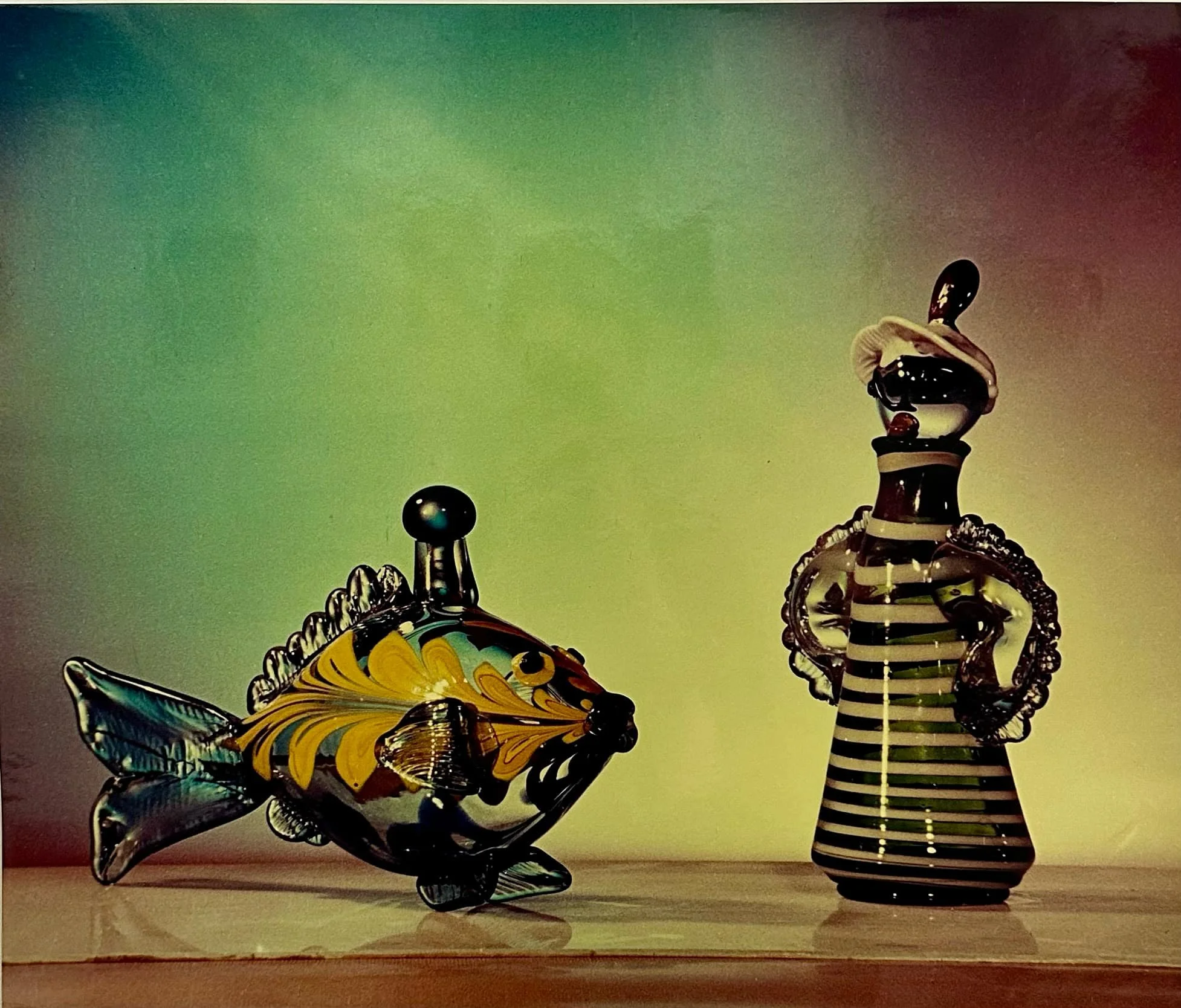
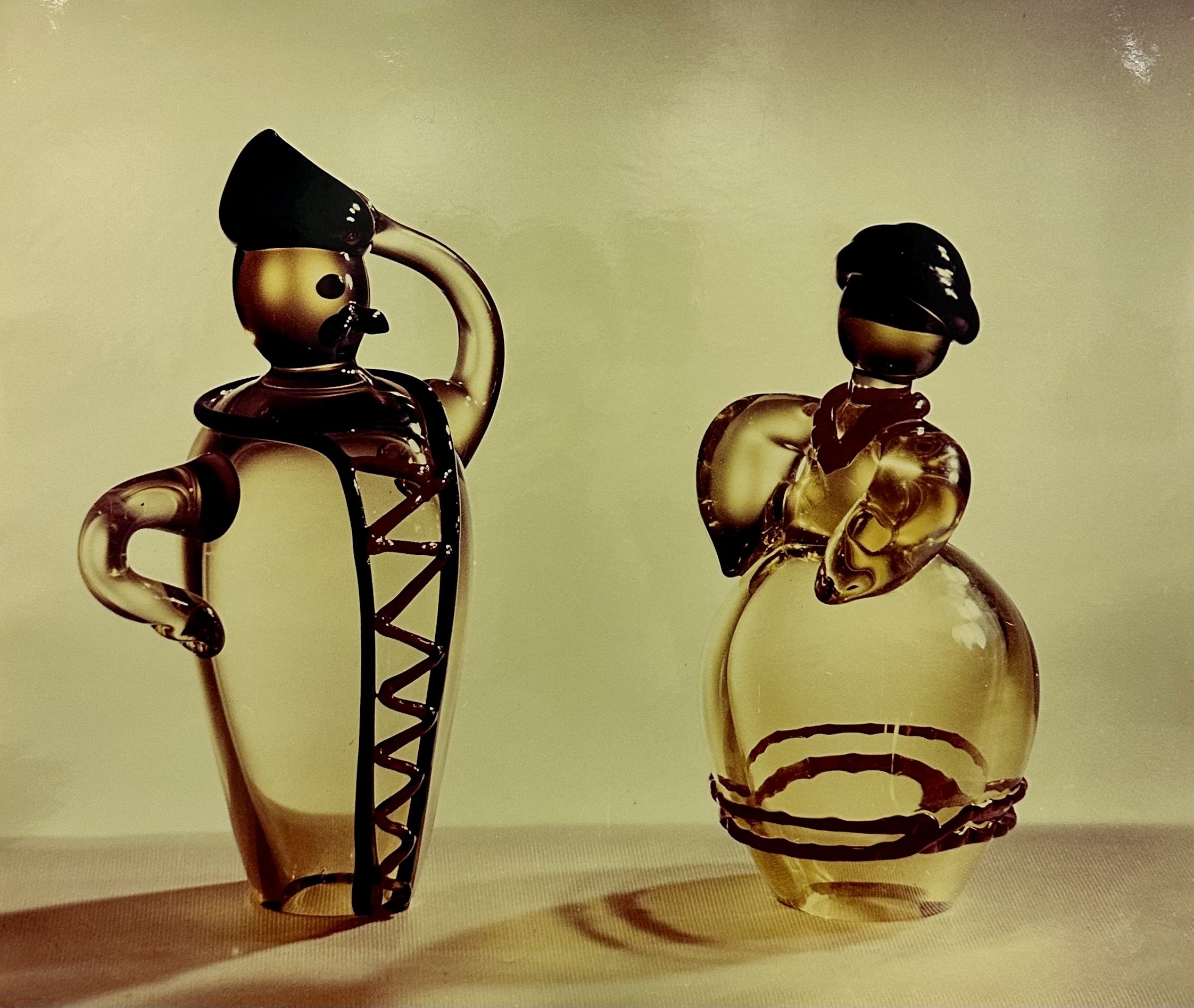
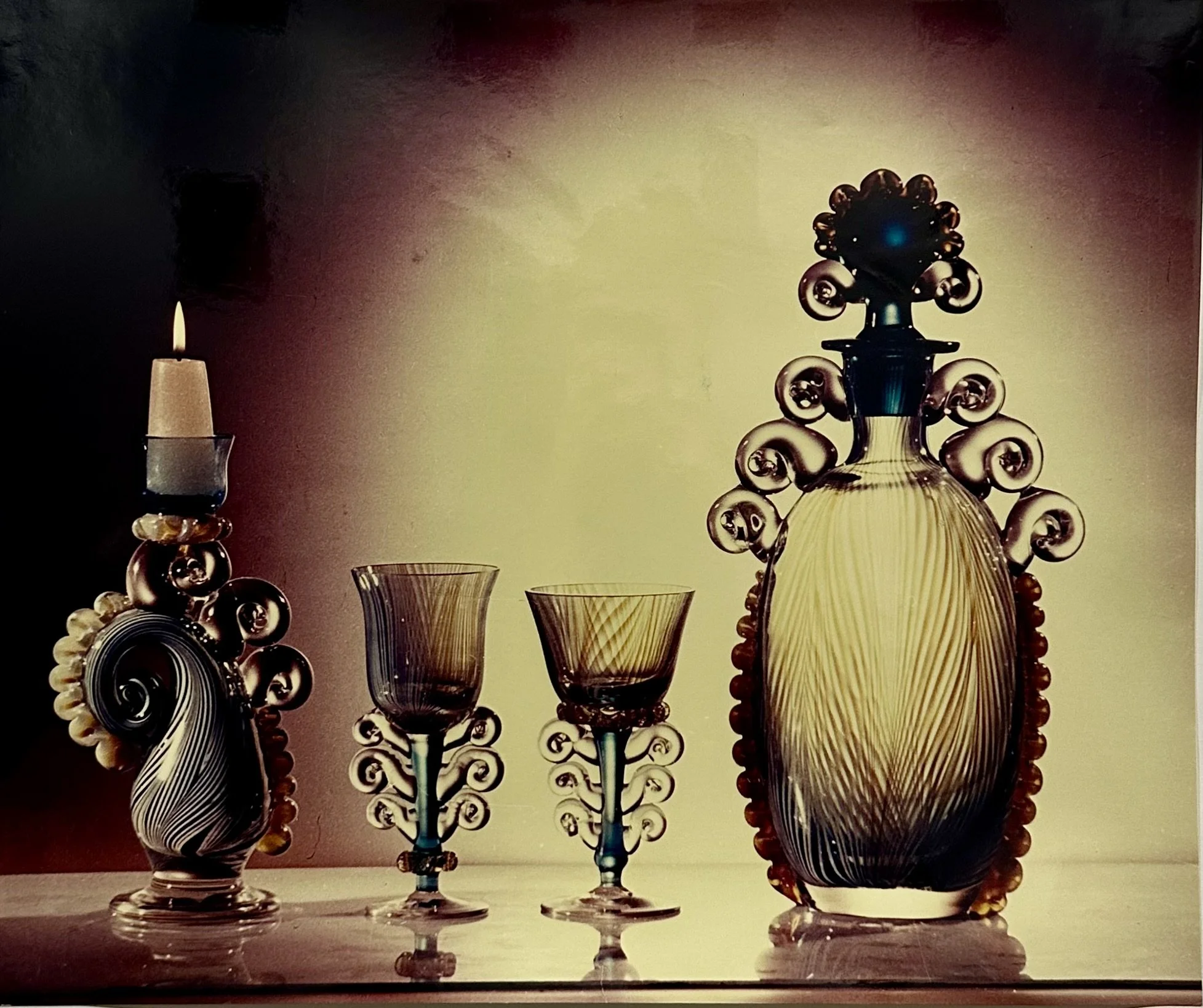
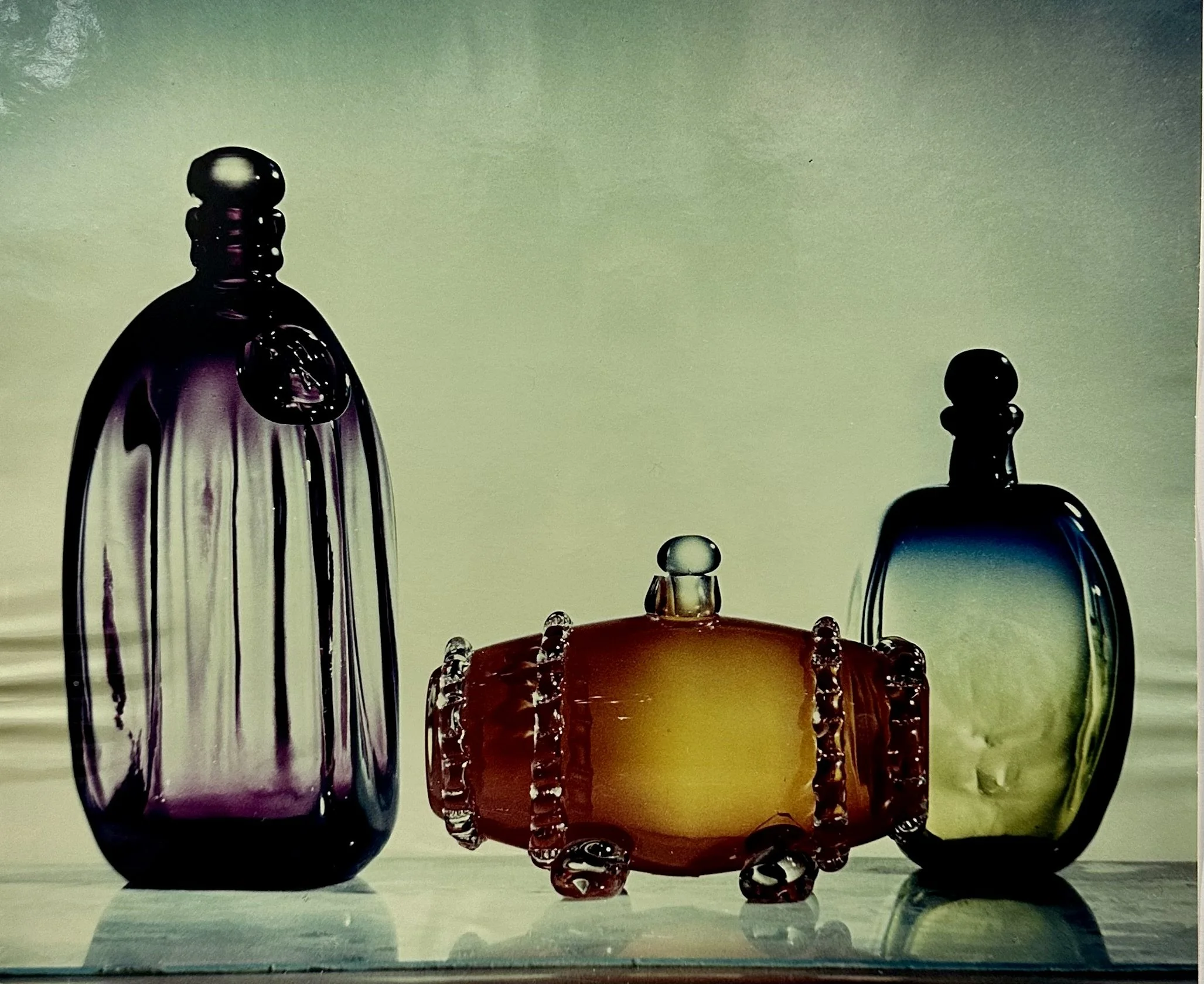
The Still Life exhibit at St. Volodymyr Institute showcases a striking selection from a series of 76 large-format still-life photographs, believed to originate from the mid to late 1970s in Ukraine. The photographs depict Ukrainian ceramics, glassware, textiles, wood carving, and figurines. Lions, rams, birds are crafted in clay; delicate goblets, candleholders, and ornamental vessels—each composition carefully staged and dramatically lit. Saturated lighting and minimalist backdrops give the objects a surreal and contemplative quality, elevating these artifacts to the realm of fine art.
Though the photographer remains unknown, the work suggests an intentional artistic vision—a step further from standard archival or catalogue documentation. The images reflect a conscious gaze, capturing the aesthetic richness of Ukrainian material culture through an experimental, almost theatrical lens.
The origins of this collection are as intriguing as the photographs themselves. The series once belonged to Olha and Mykola Kolankiwsky, founders of the Niagara Falls Art Gallery, established between 1972-1976, after immigrating from France in the 1950s. The Kolankiwsky collection included over 700 important works by artists such as William Kurelek and Mykola Krychevsky, renowned Canadian and Ukrainian painters. Within that context, these still lifes sat quietly alongside some of the landmark visual expressions of Ukrainian diasporic identity.
From Kolankiwsky, the photographs were passed on to Stephan Werbowij, a Toronto-based lawyer who had provided legal services to the family. In lieu of payment, he received the series and later donated it to Saints Peter and Paul Ukrainian Community Homes, where the works were displayed for some time before eventually being donated to SVI. The collection stands as an artifact of diasporic preservation—an accidental archive revealing the quiet endurance of culture through image and object.
Still Life opens a conversation about cultural memory in diaspora. Across the Ukrainian Canadian community, personal collections of objects—artworks, crafts, heirlooms—often hold deep significance yet remain undocumented, hidden in basements, attics, or donated in passing. When such objects resurface, they offer more than aesthetic interest; they tell stories of migration, nostalgia, belonging, and the way culture is carried, transformed, and sometimes forgotten across generations.
Thank you to Bozhena Gembatiuk and Mika Gembatiuk for finding and donation the artworks to the SVI Art Collection.
Still Life is supported in part by the Shevchenko Foundation and SUS Foundation.