
My first dance shaped the rest of my residency at the SVI
Words and photography by Ebunoluwa Akinbo (@ebunakinbo)
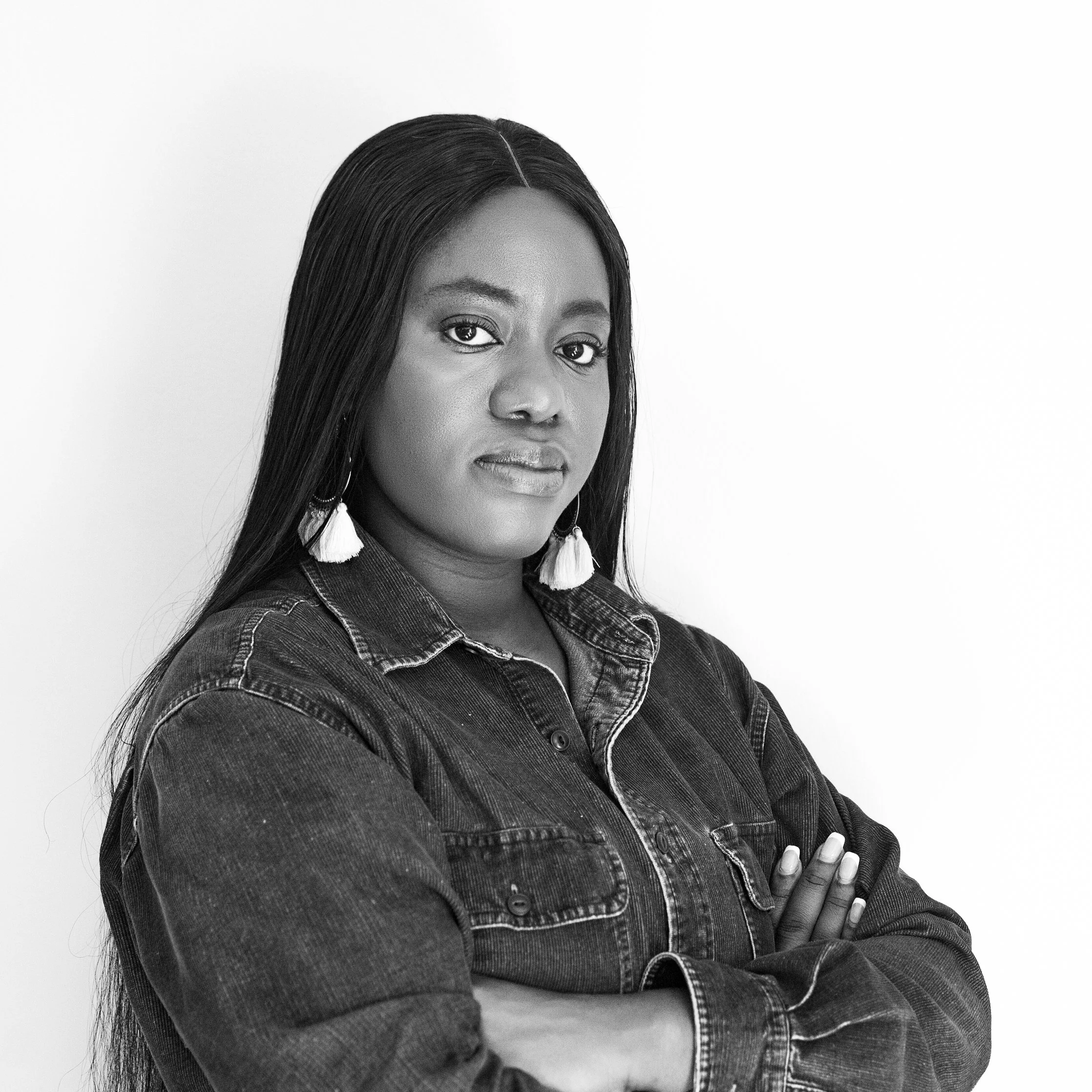
Ebunoluwa Akinbo is a Nigerian lens-based visual artist residing in Canada. She combines her background in Sociology with her Fine Arts education to explore themes of memory, identity, and migration in her evolving practice. Her work spans across photography, video, performance, and projection.
I arrived on the first Thursday evening with my camera in hand, ready to document the event at INSTITUT. Instead, someone invited me onto the dance floor.
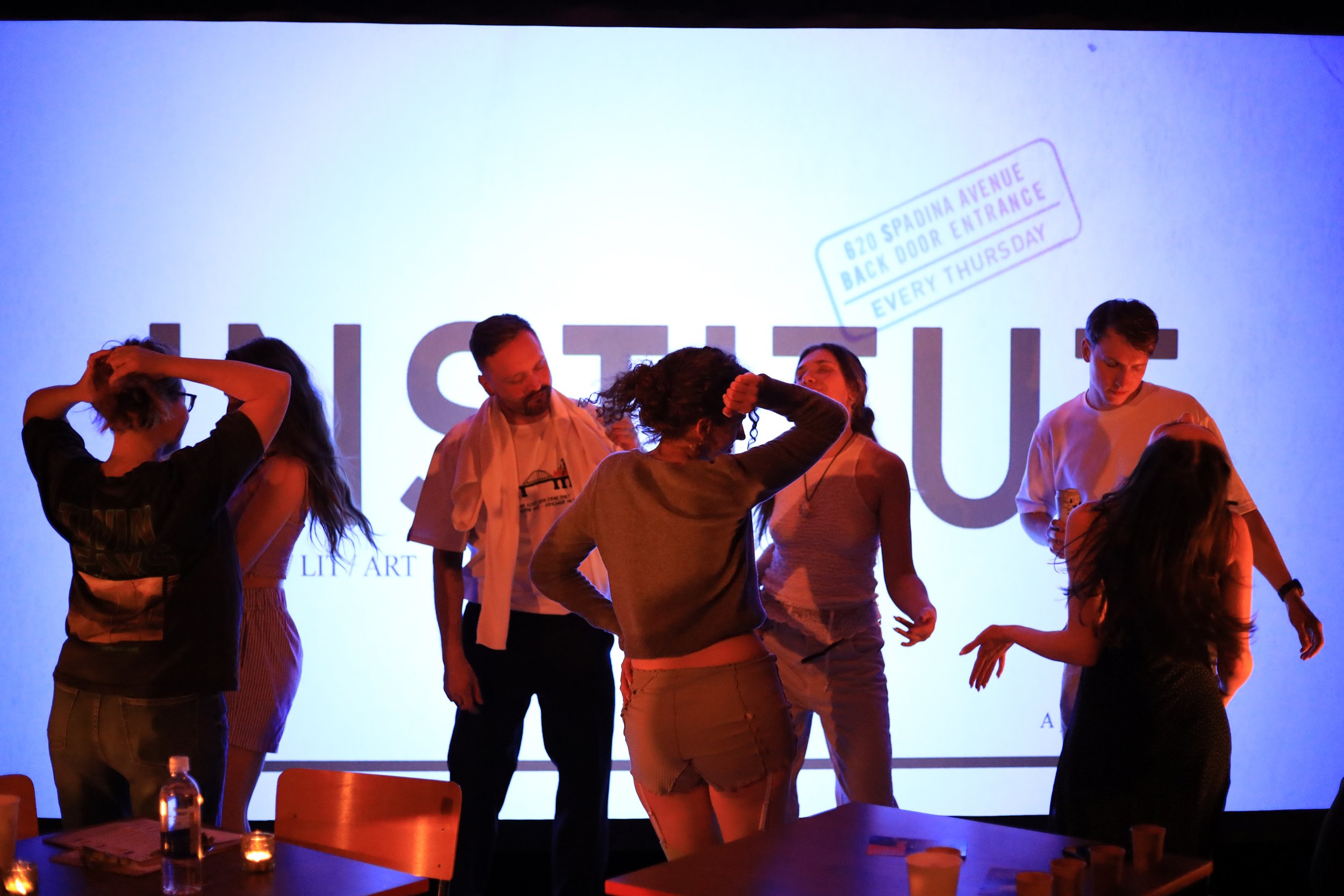
I remember hesitating for a moment. I didn't understand the lyrics of the Ukrainian songs that filled the room, yet within minutes I found myself moving in rhythm alongside everyone else. It wasn't just the dancing that stayed with me, it was the way people danced together.
Hands joined in circles, partners moved in unison, and strangers welcomed one another into the choreography. In that moment, I felt less like an observer and more like I belonged.
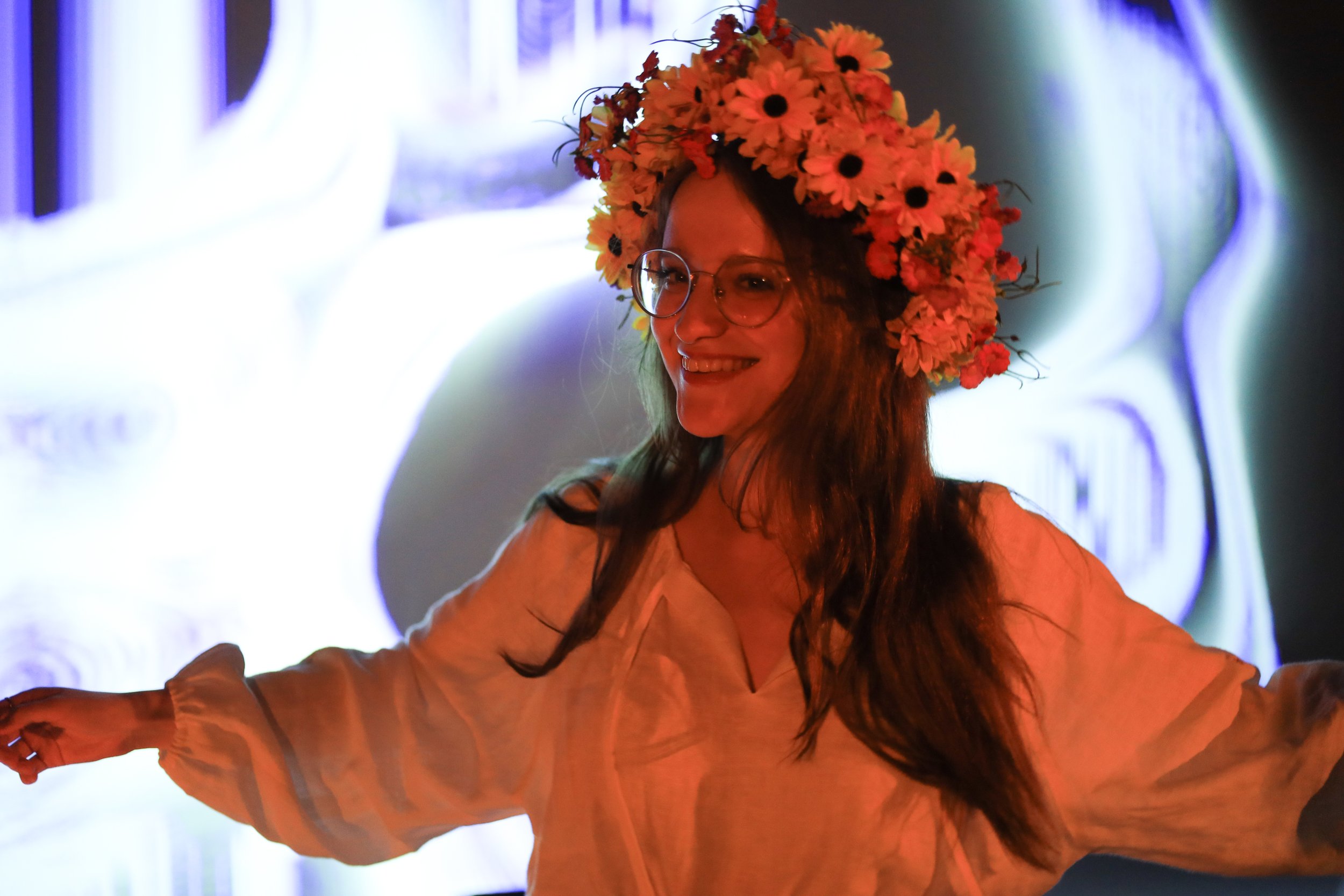
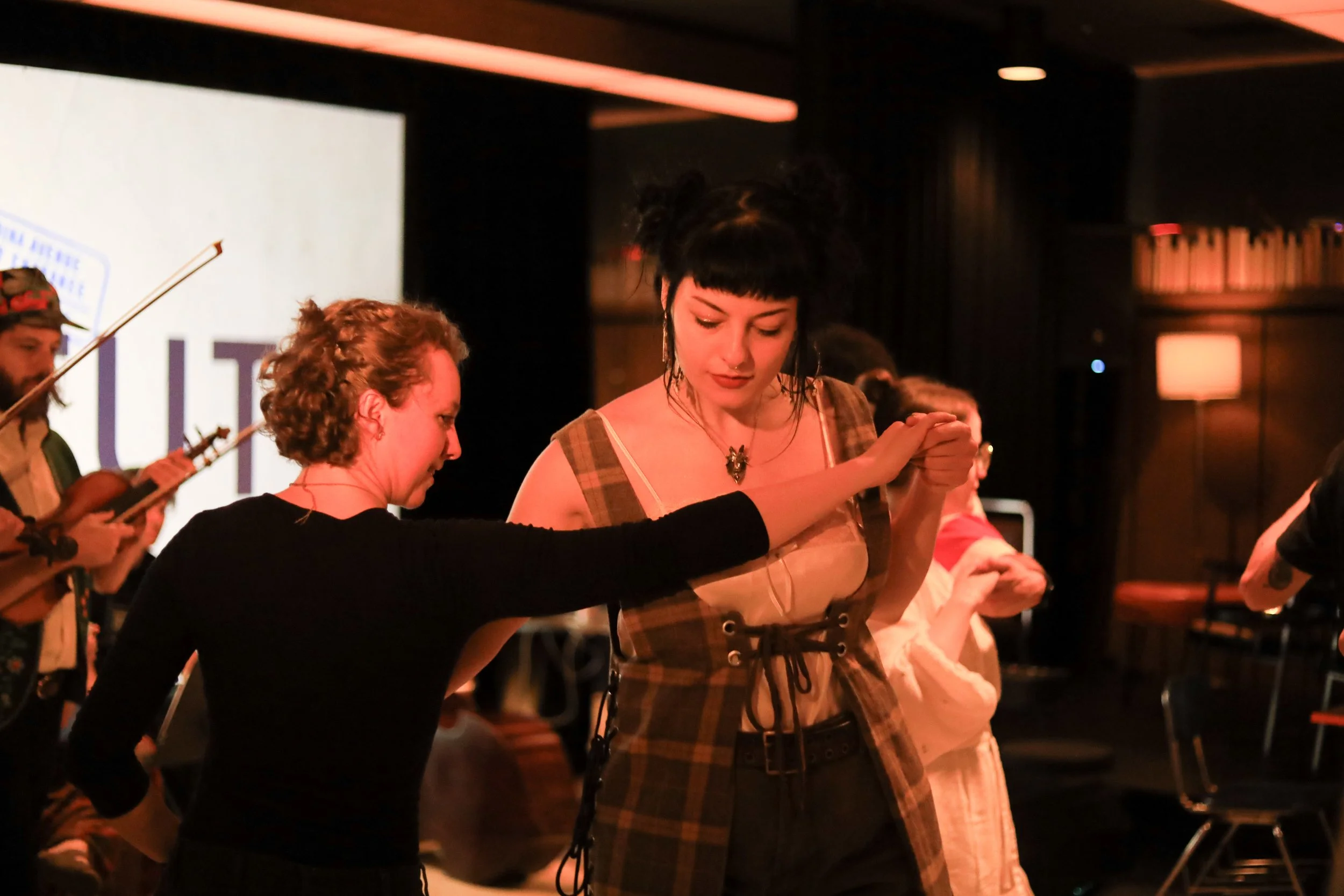
That first dance shaped the rest of my residency at the St. Volodymyr Institute.
When I first arrived at the Institute, I had imagined spending much of my time exploring its archives. I was excited by the opportunity to learn about Ukrainian history and culture through documents and photographs. While I did spend time with the archives, I soon realized that my deepest connection came through engaging with the community itself. Thursday nights quickly became my weekly ritual, something I genuinely looked forward to.
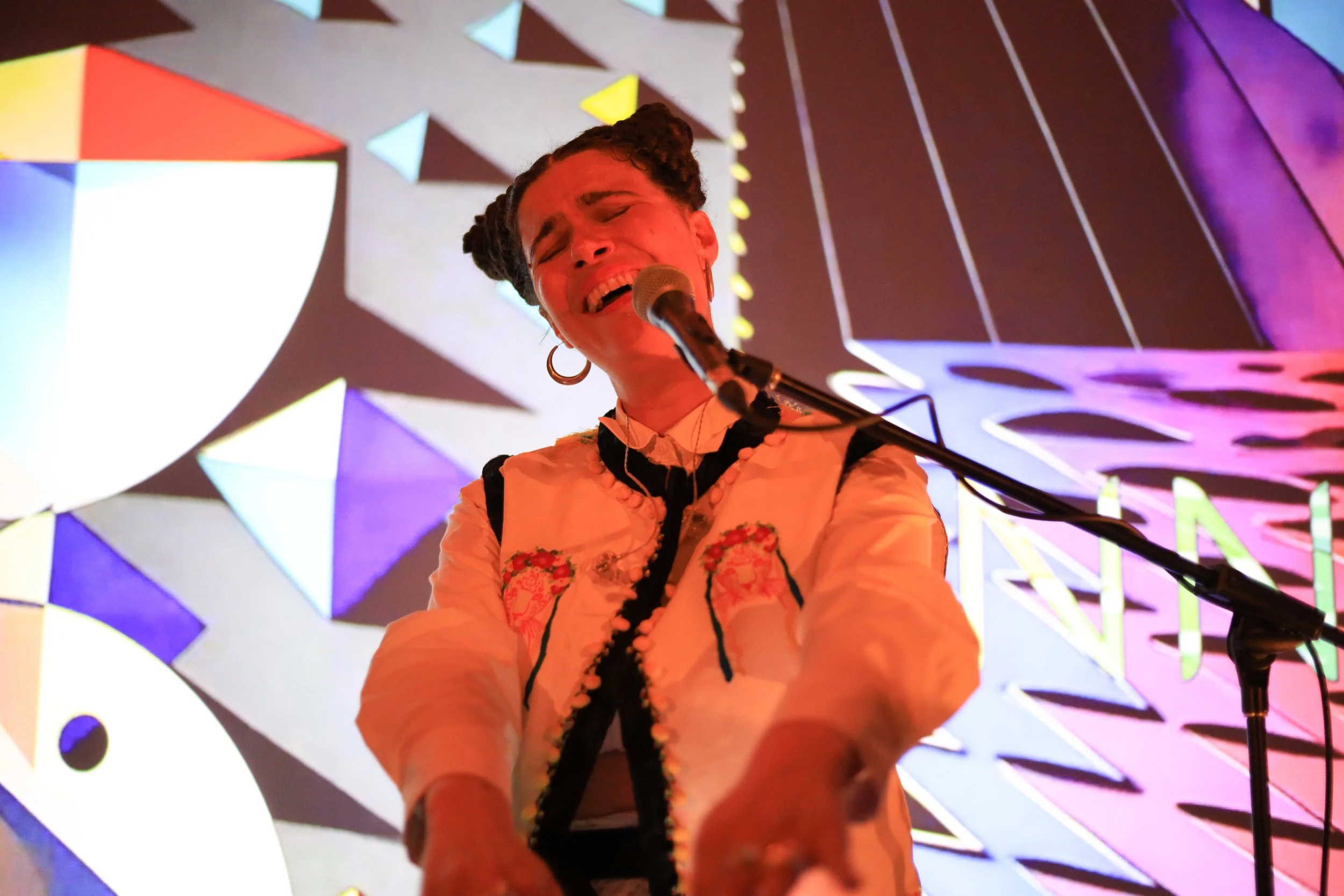
Throughout my residency, I experienced remarkable performances and cultural gatherings. I had the privilege of hearing GANNA perform live. Although the performance was entirely in Ukrainian, her voice transcended language and deeply moved me.
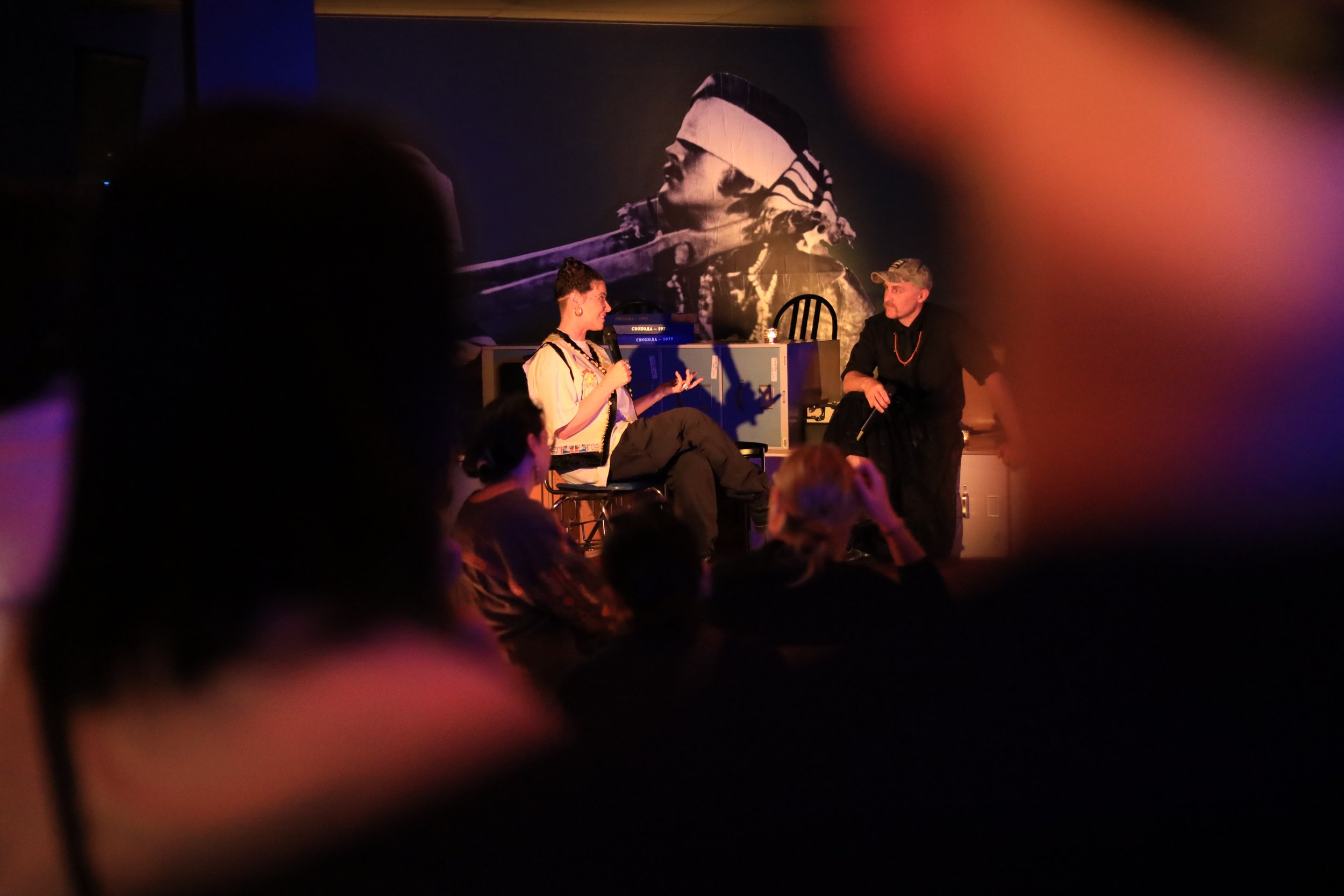
Check out INSTITUT programming
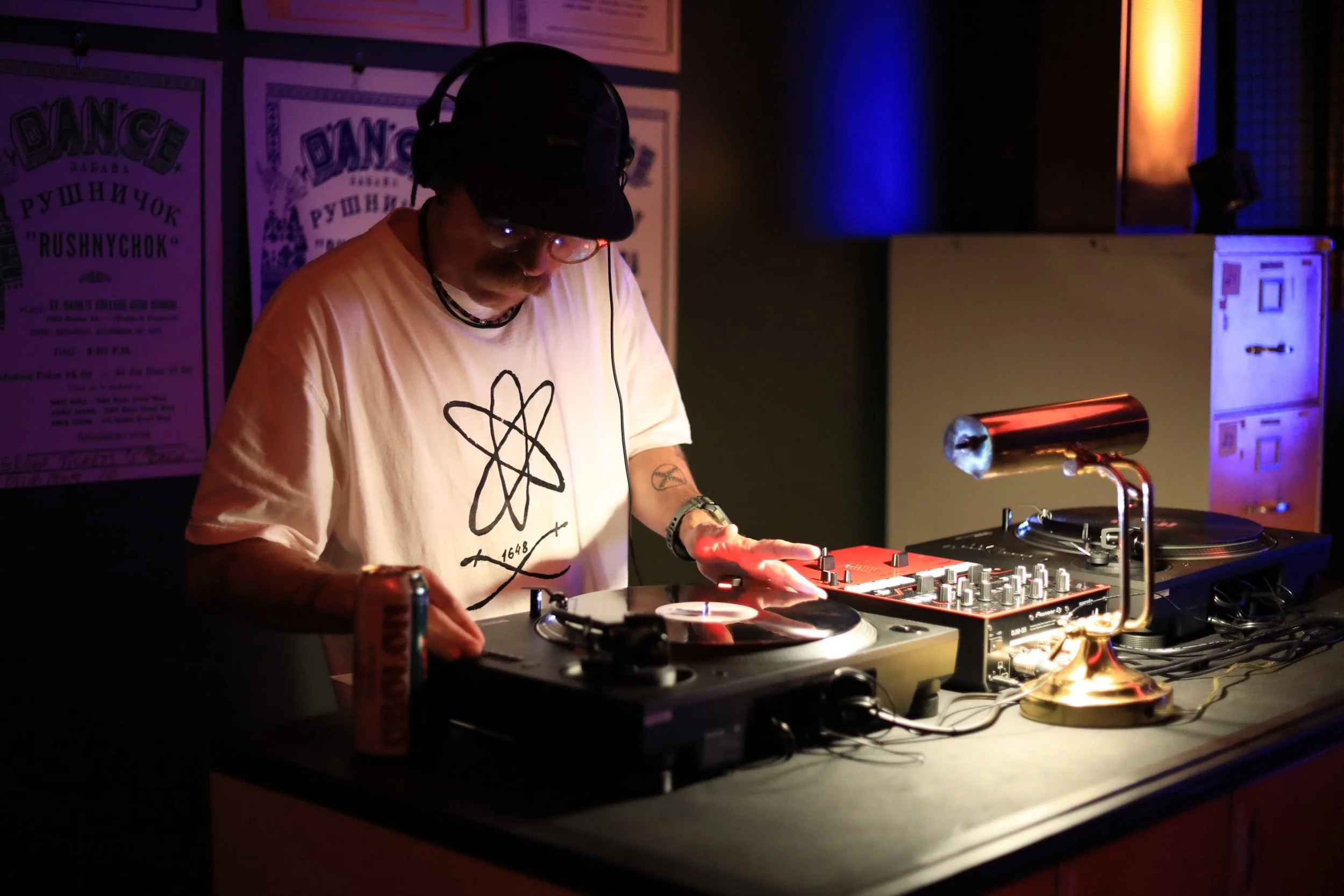
During the intermission, Fela Anikulapo Kuti's music unexpectedly filled the room, creating a beautiful connection to my own Nigerian heritage. Later that evening, DJ Johnny Westcoastbrought everyone back onto the dance floor. One of my favourite memories was the entire room dancing together to "Ya Dosyahnu – Phantom-2." I enjoyed the song so much that I immediately used Shazam to identify it, and it has remained on my playlist ever since.
As a Nigerian artist living in Canada, my work explores migration, memory, identity, and what I describe as diasporan joy. We often hear stories of displacement, conflict, and loss, but we hear far less about joy, about the ways diasporic communities preserve culture through celebration, music, food, dance, and collective care. My time at the Institute reminded me that these are equally important stories, and they deserve to be told.
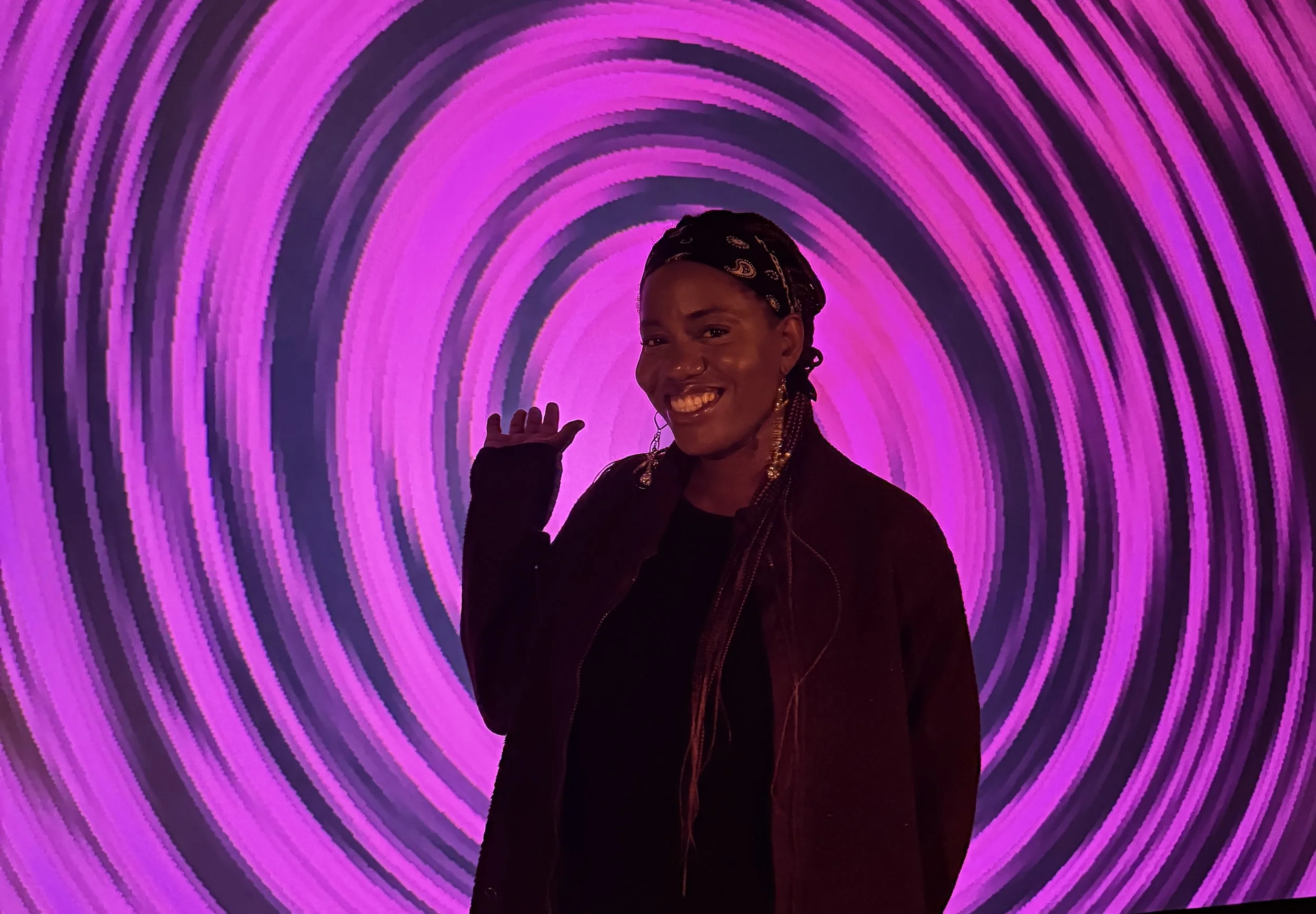
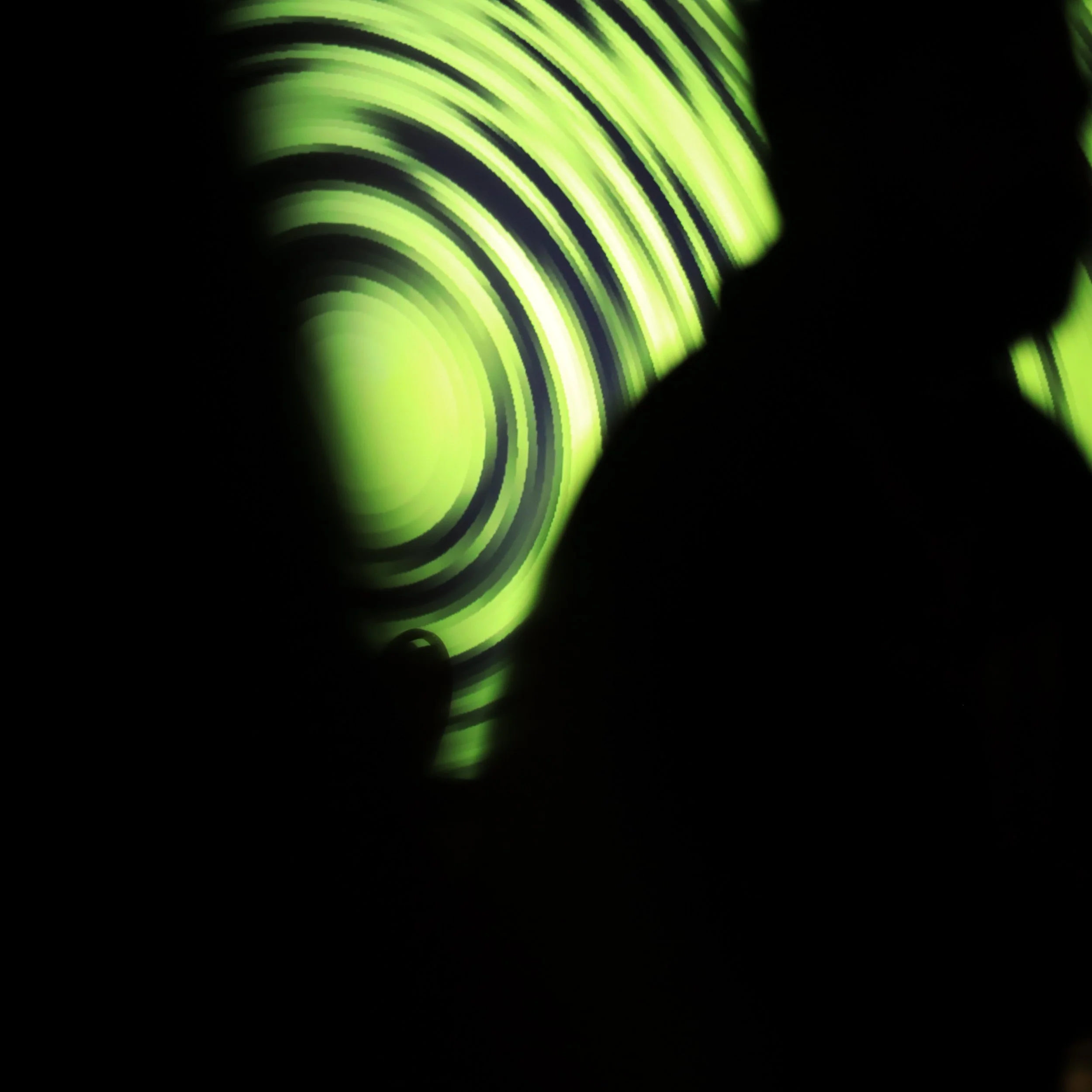
Inspired by these experiences, I created generative visuals in TouchDesigner for DJ Shaunt Raffi, whose performance brought together Armenian musical traditions with influences from North Africa. Seeing people dance while interacting with the visuals I had created was incredibly rewarding.
It reinforced my belief that meaningful cultural exchange begins with participation. To understand another culture, we must be willing to step into it with openness and curiosity. Music, dance, literature, and art become universal languages that connect people across histories, languages, and borders.
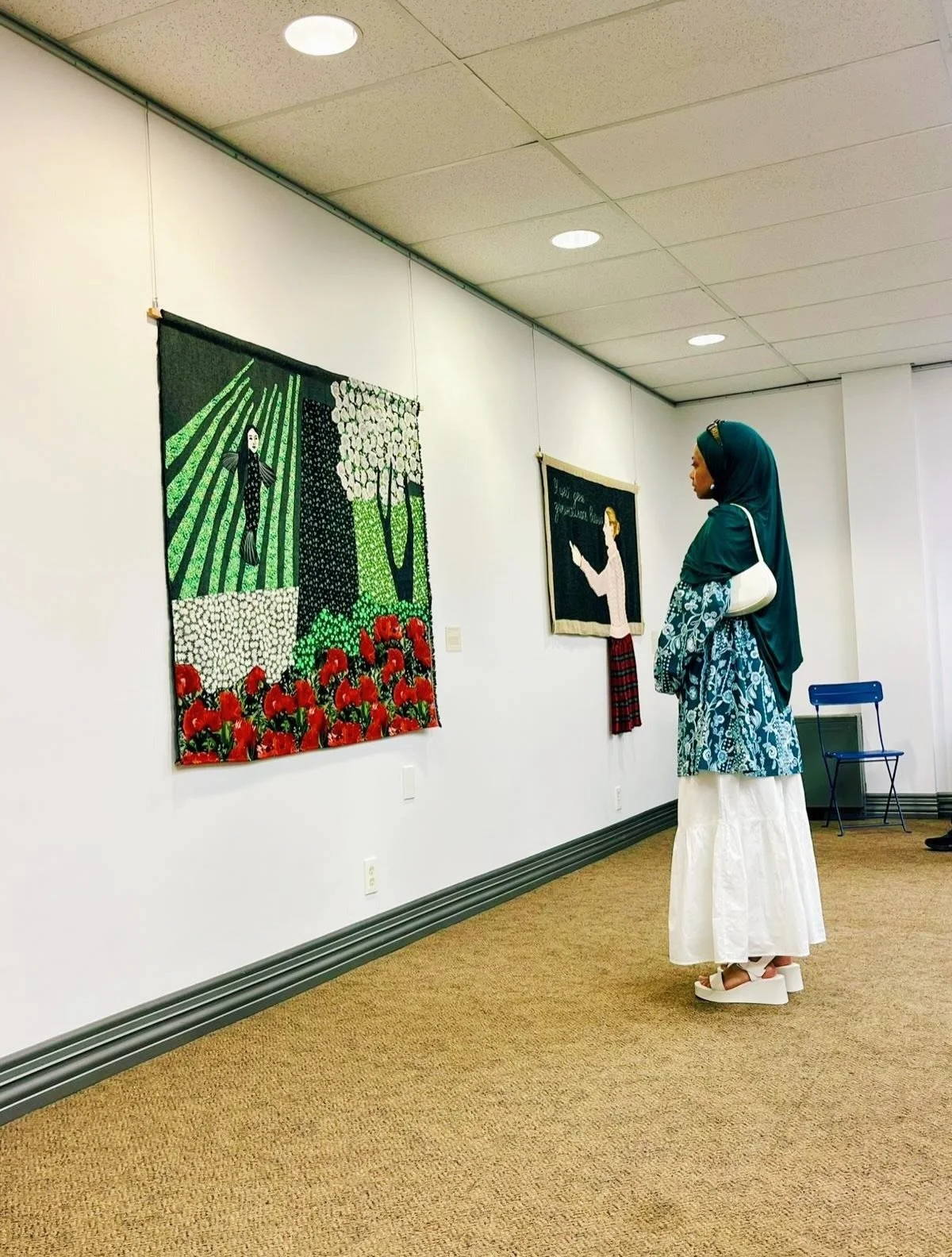
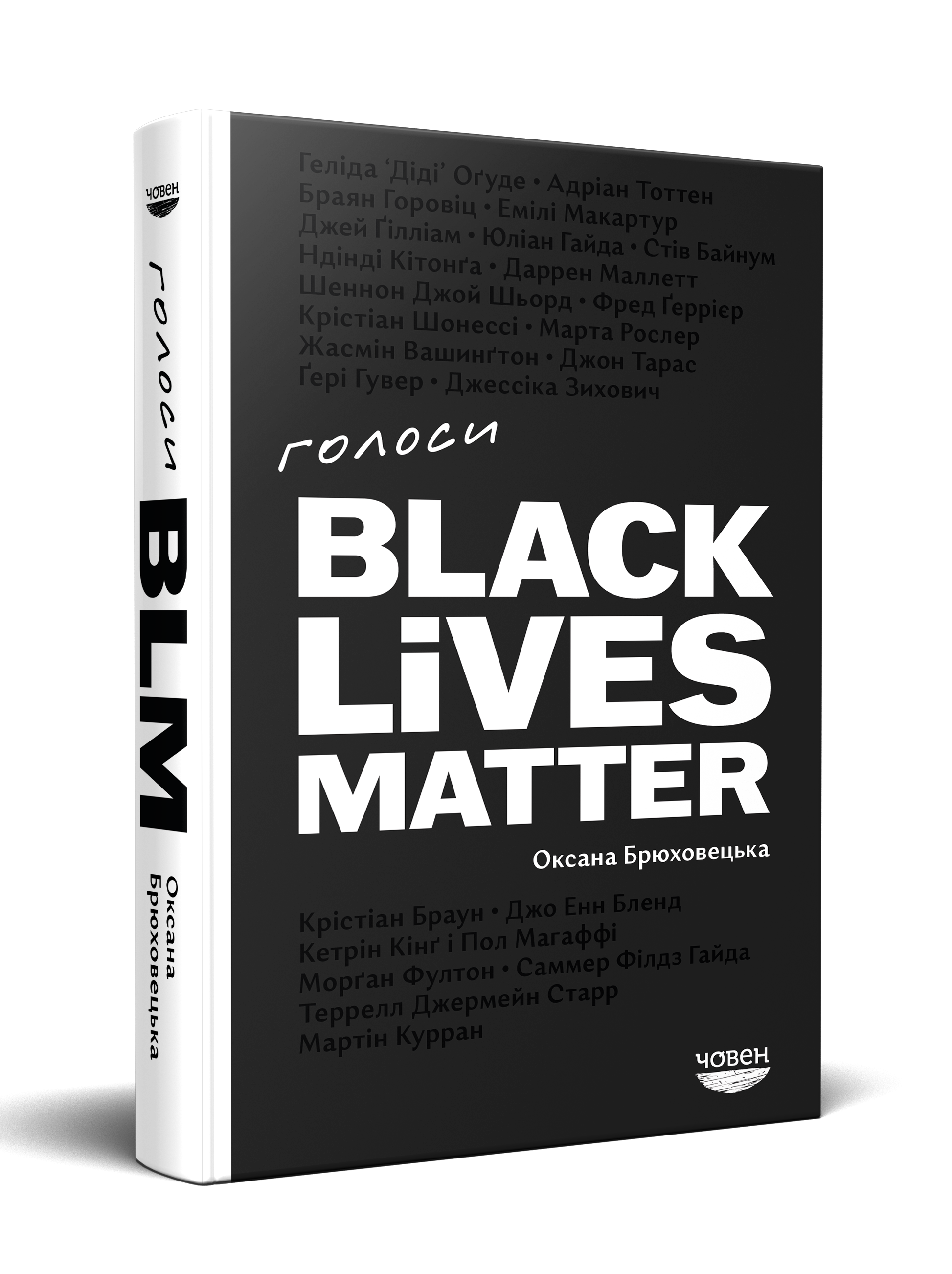
The residency also introduced me to the artist Oksana Brukhovetska. I attended the opening of her exhibition “In the Name of Life” (on view at SVI Gallery till August 28), where she shared her Ukrainian-language book, “Black Lives Matter.” The book brings together conversations with Black individuals, Ukrainian-Black families, academics, and professionals during the Black Lives Matter movement, offering perspectives that challenged stereotypes and broadened understanding within Ukraine. Our conversation reminded me that storytelling has the power to create empathy and build connections across cultures.
Looking back, what I will remember most is the generosity and openness of the people I met. The Institute became a place where I experienced culture as something living and shared. I leave with a deep admiration for the way the Ukrainian community continues to sustain its traditions through participation and togetherness. As an artist, I carry that lesson with me.
Culture is kept alive not only in archives and museums, but on dance floors, in songs sung together, in conversations between strangers, and in the simple act of welcoming someone into the dance circle.
– Ebunoluwa Akinbo
Artist Bio
Ebunoluwa Akinbo is a Nigerian lens-based visual artist residing in Canada. She combines her background in Sociology with her Fine Arts education to explore themes of memory, identity, and migration in her evolving practice. Her work spans across photography, video, performance, and projection.
Follow Ebunoluwa's work: Instagram @ebunakinbo
Akinbo has worked on both commissioned and personal projects, exhibited locally and internationally, and received awards and grants. Her work has been collected by institutions and private collectors. One of her recent works, Bedsheet Memories, was developed during the 2024 Plug In Summer Institute residency in Winnipeg. She also presented her work, Archive of Semblance for Remembrance, at the 2024 Nuit Blanche Toronto. Akinbo was the 2023 recipient of the Narwhal BIPOC Fellowship Grant in Canada, through which she developed a body of work titled Winnipeg's Secondhand Fashion, published in 2024 in The Narwhal and the Winnipeg Free Press. In 2025, Akinbo's work titled "in Conversation" was acquired by the Manitoba Government for its permanent collection. In 2026, Akinbo participated in the Harvest Moon Society artist residency, the THIRDSPACE OCAD artist residency, and she was the artist in residence at SVI in Toronto, part of the INSTITUT program.
Artist statement
I am a multidisciplinary lens-based artist working across photography, moving image, projection, and interactive installation. My practice explores memory, identity, and the emotional dimensions of migration through personal experience and broader social histories.
My work begins with questions that develop through research. I reflect on my relationship with the lands I inhabit and the ways borders shape, imprint, and contaminate identity and memory.
Through projection mapping and real-time visual systems, I create immersive environments where moving images inhabit architecture and objects.
My aim is to hold the viewer's gaze long enough for the third thing to emerge, where artwork and audience generate new ways of seeing.
