
Sharing a Ukrainian Holiday Tradition Through Nuit Blanche
Oksana Hawrylak
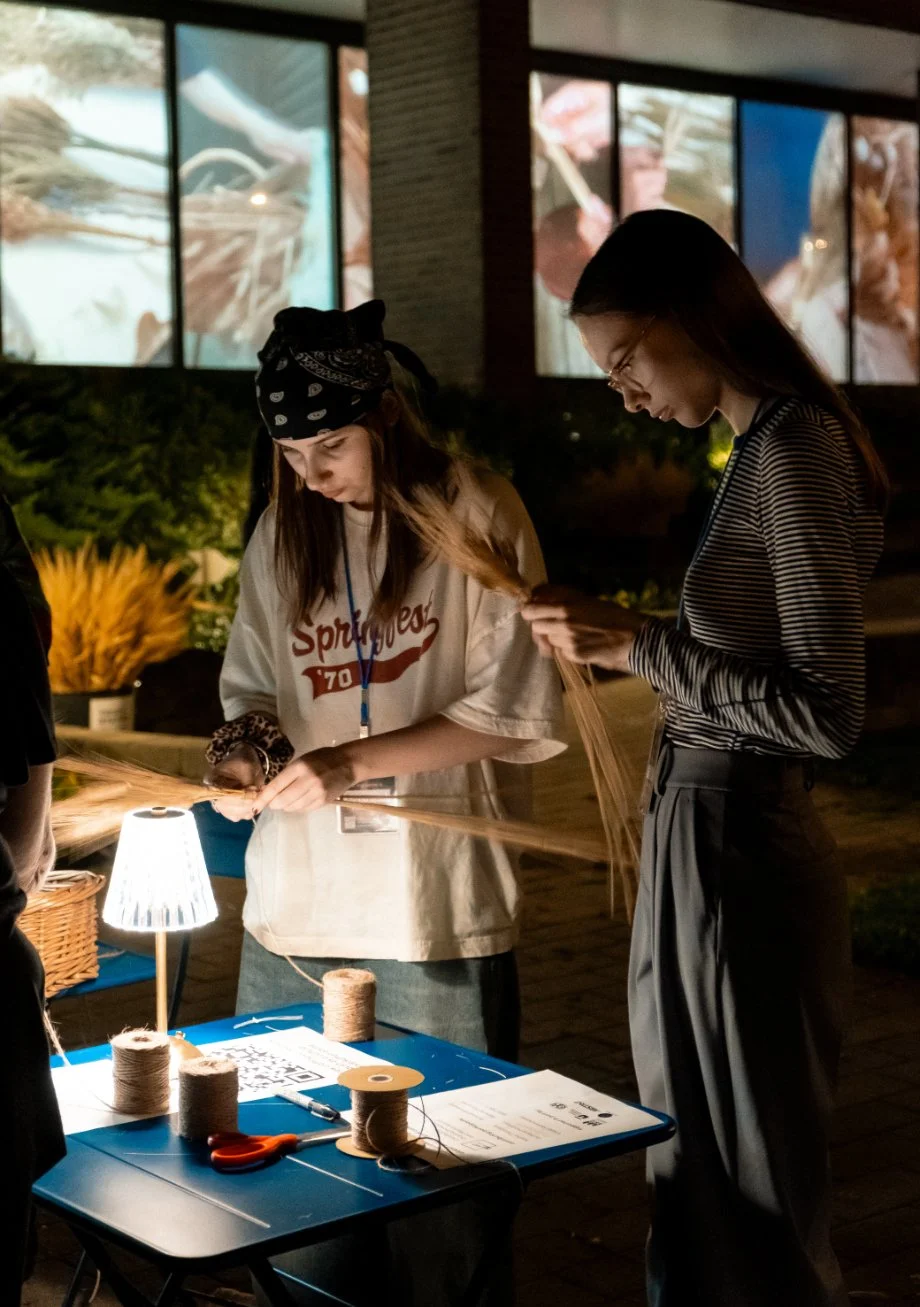
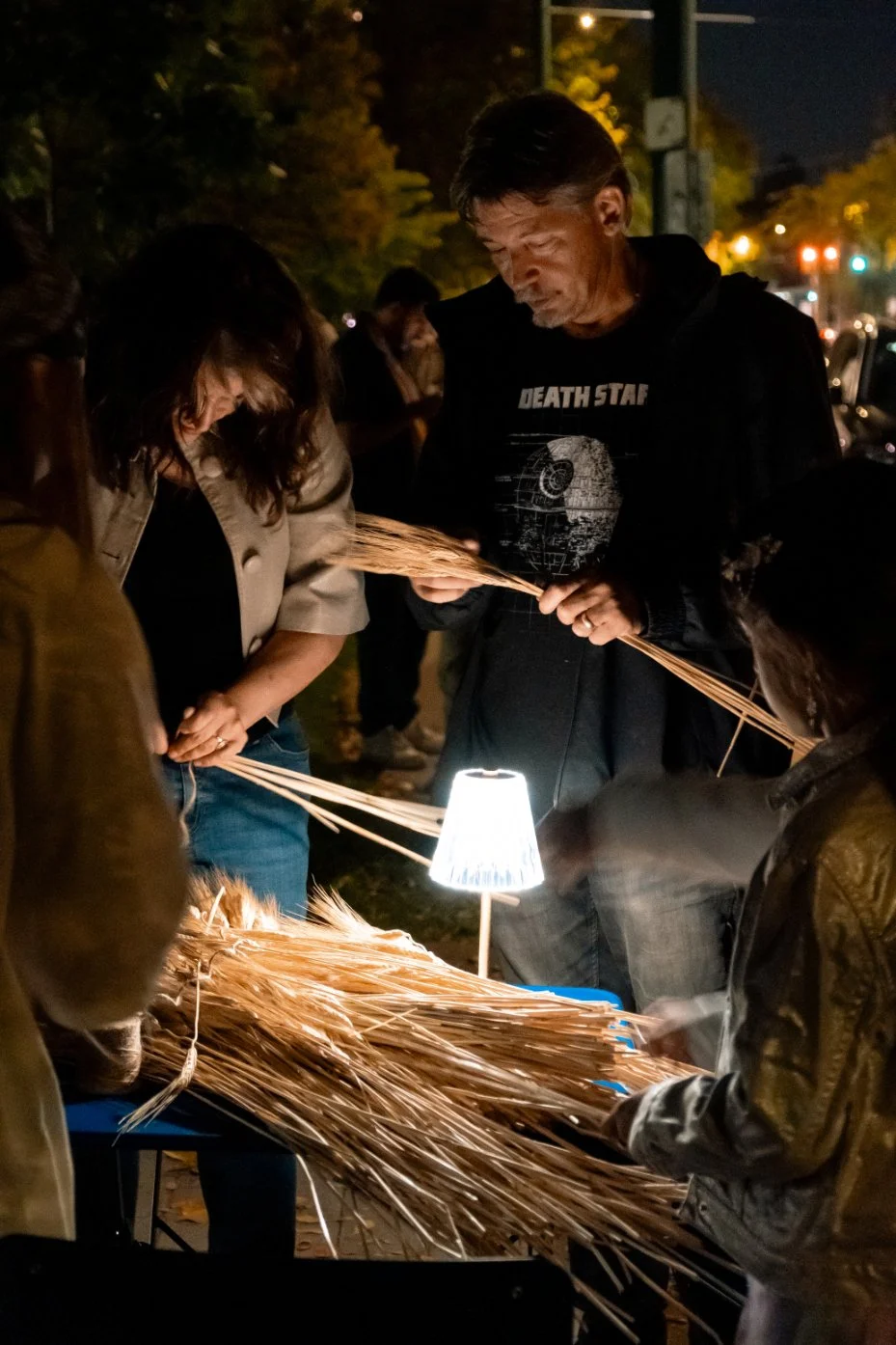
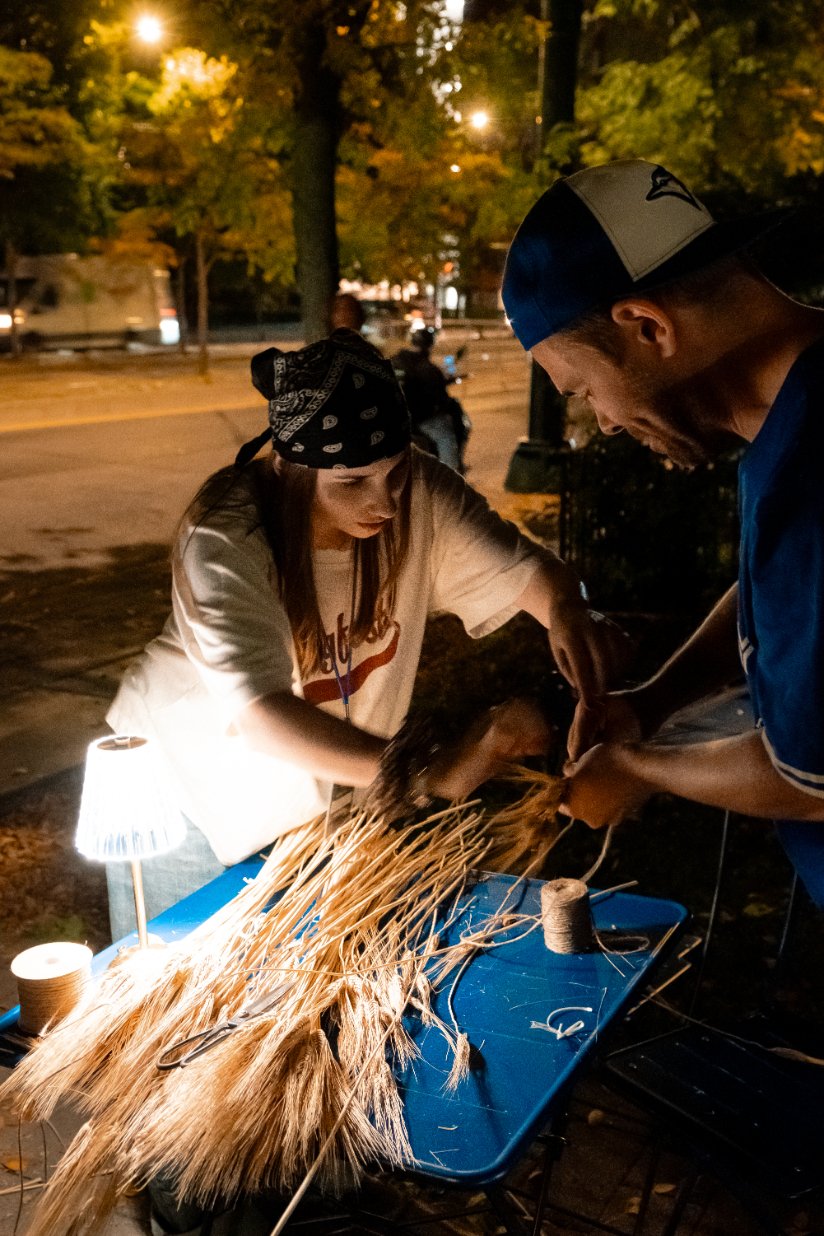
On October 4, 2025, Marta Iwanek and I debuted Crafting Connections: Didukh as a Cultural Conversation at SVI during Nuit Blanche Toronto. The all-night art festival was in its 19th year and had 85 art installations across the city. This year's theme was “translating the city," inspired by the multilingual nature of Toronto, whose residents collectively speak more than 200 languages.
Through a video installation, the project introduced audiences to the Ukrainian tradition of didukh, an “ancestor tree” made of a sheaf of wheat arrangement created in the late fall or winter and displayed during winter holidays as a symbol of prosperity and renewal. Its importance is growing now, both in the Ukrainian diaspora and in Ukraine, as interest in cultural traditions continues to rise. Continuing to make and share the didukh has become a form of cultural activism. When culture is being threatened, it becomes even more important to show it, teach it, and make it visible. Being part of Nuit Blanche felt meaningful in this way, offering a public space where the tradition could be seen, understood, and honoured.
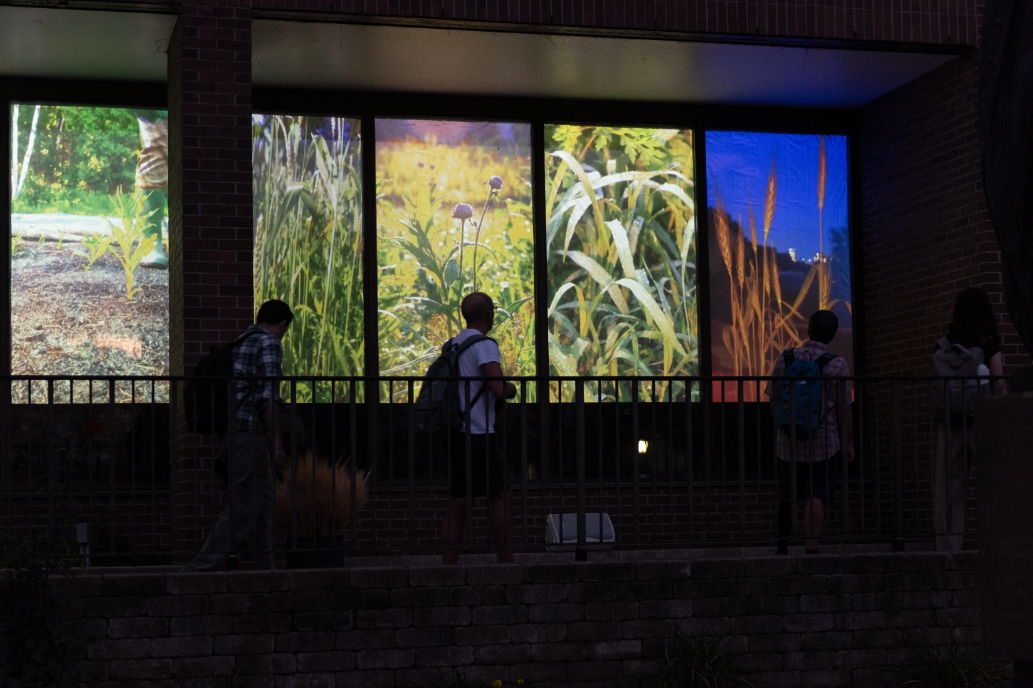
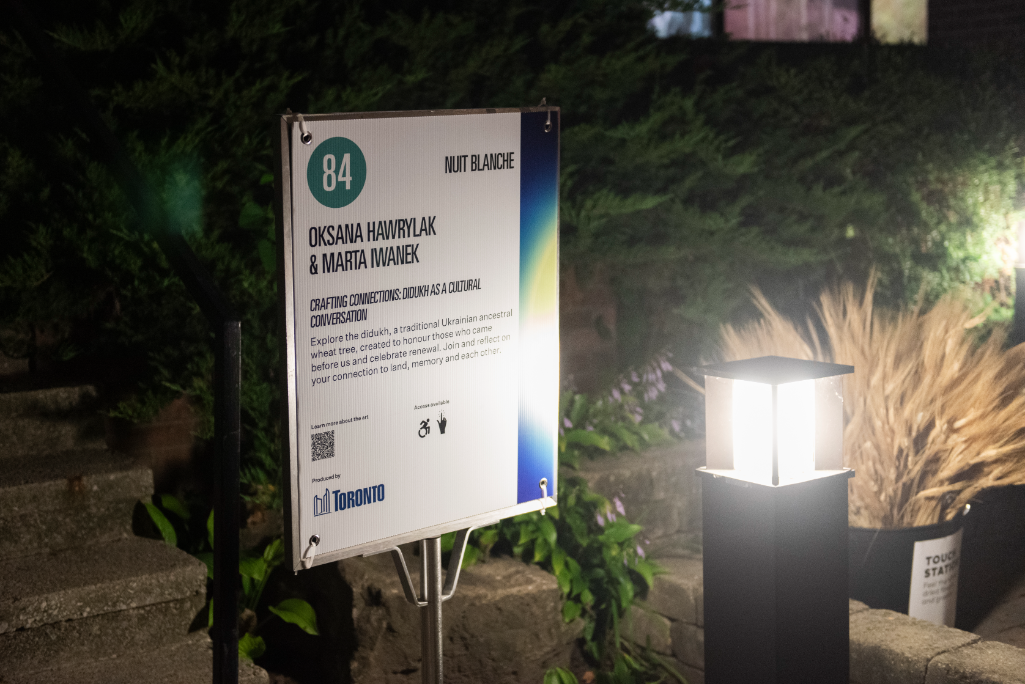
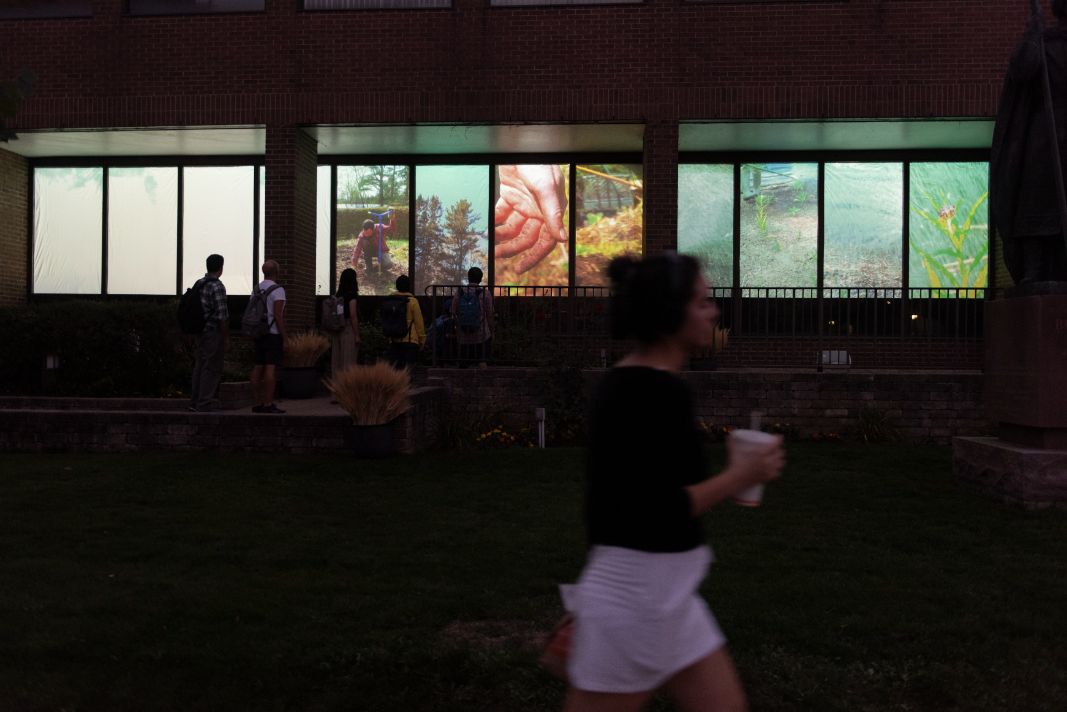
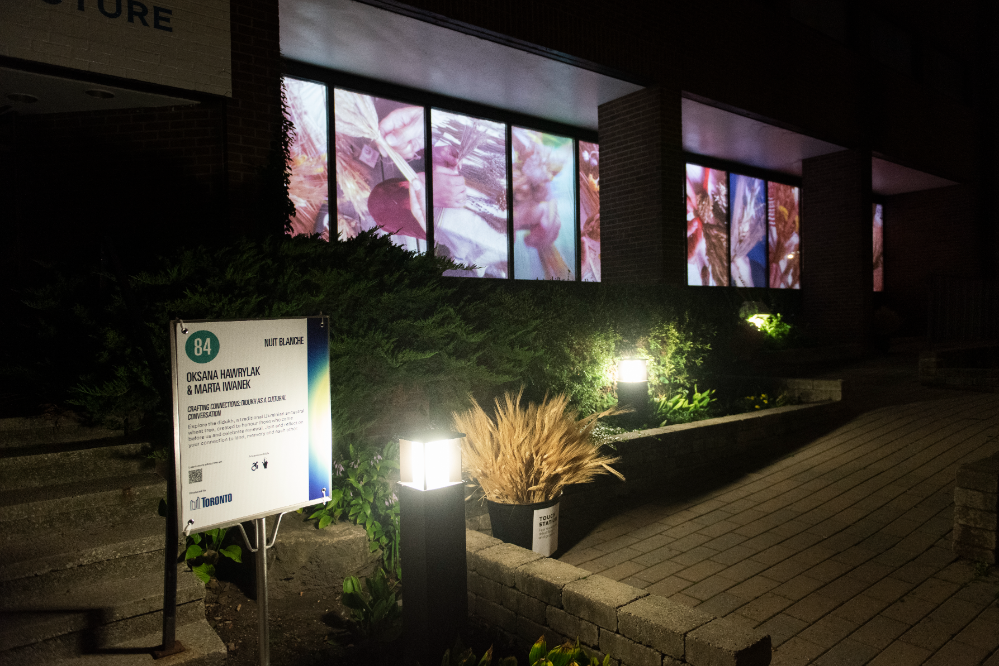
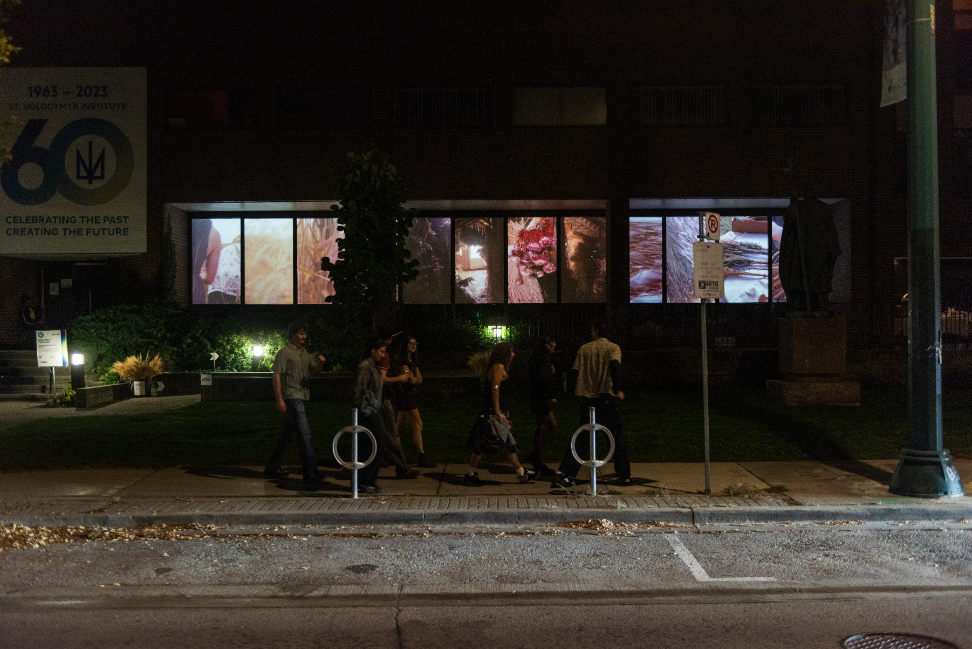
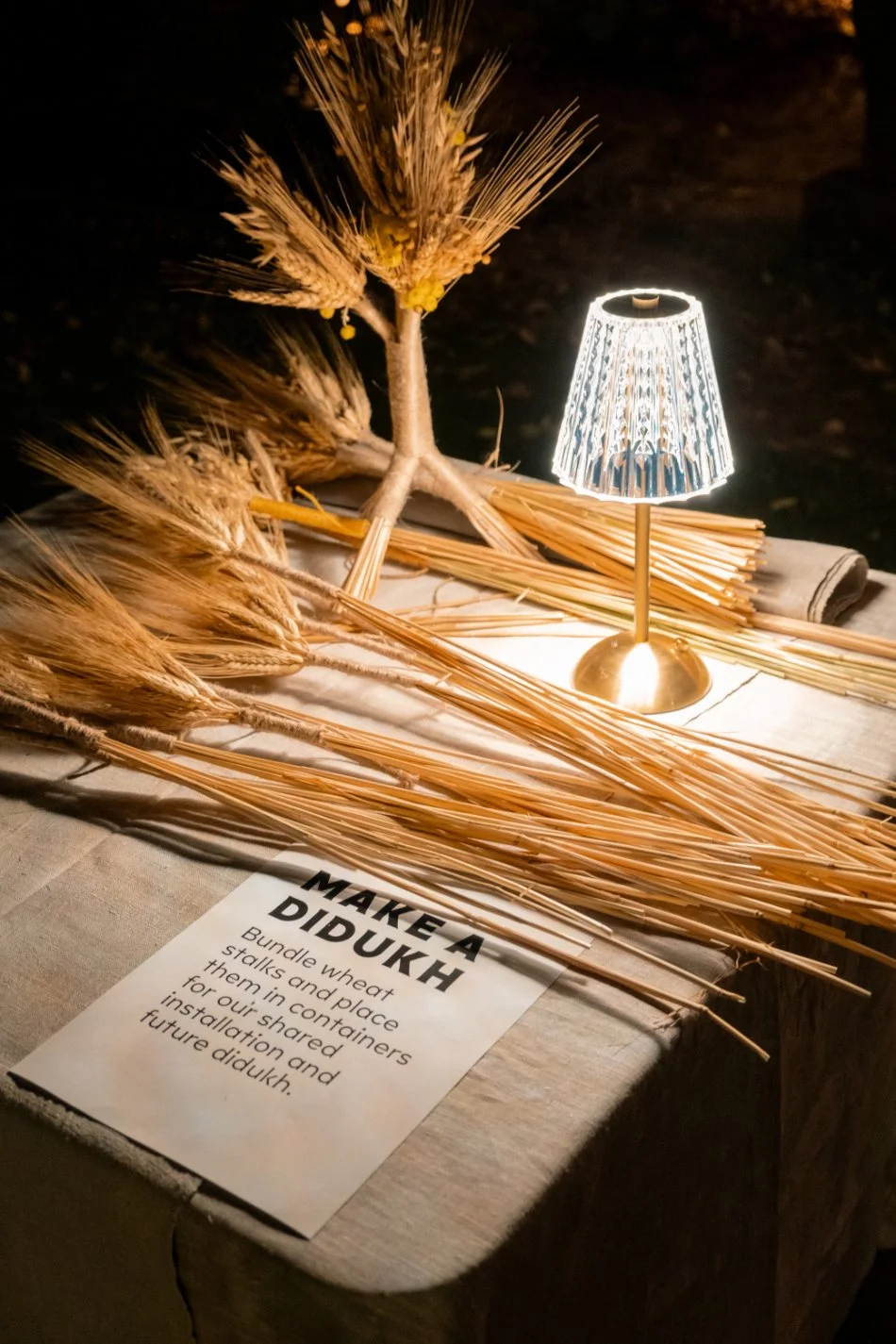
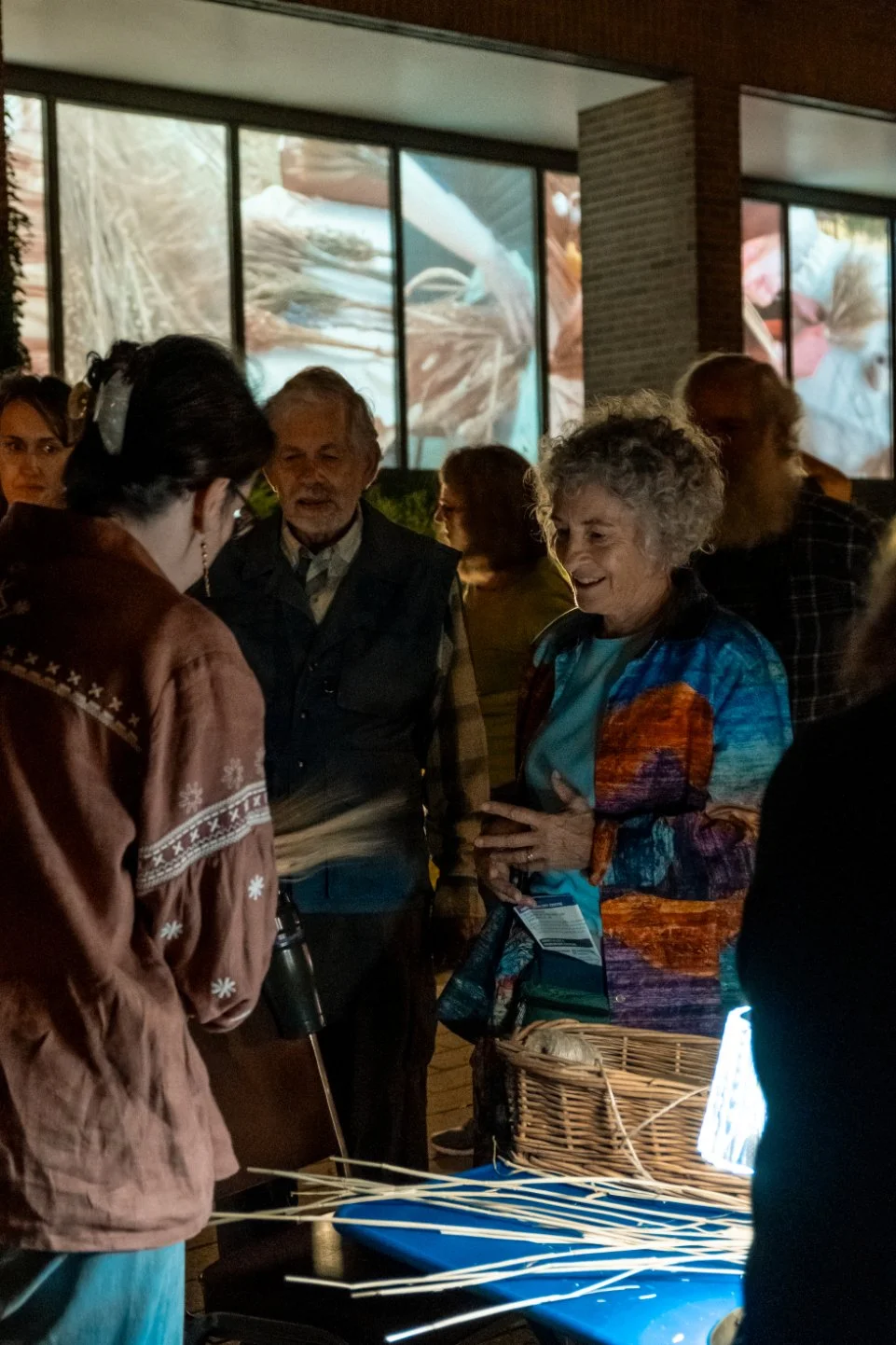
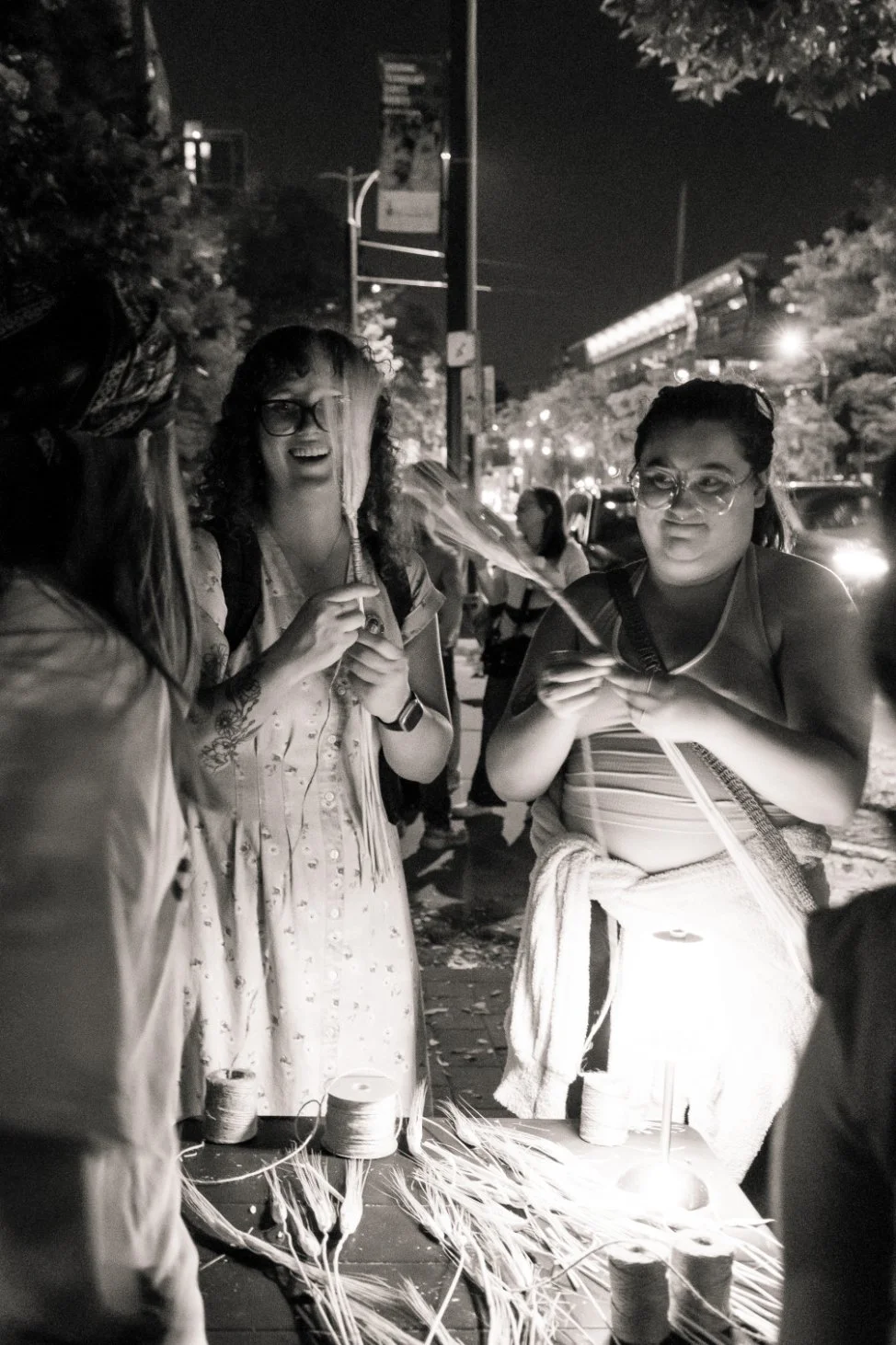
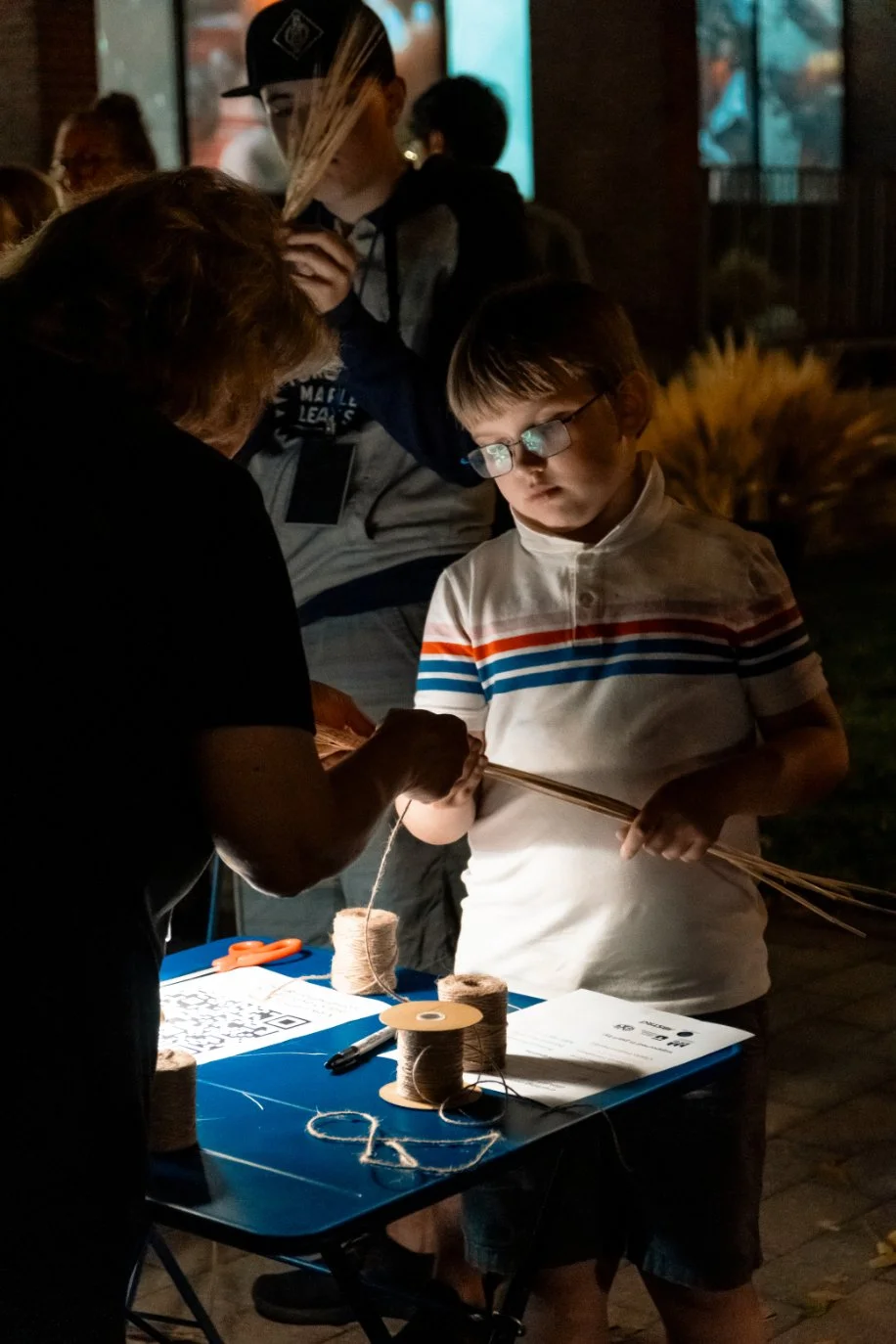
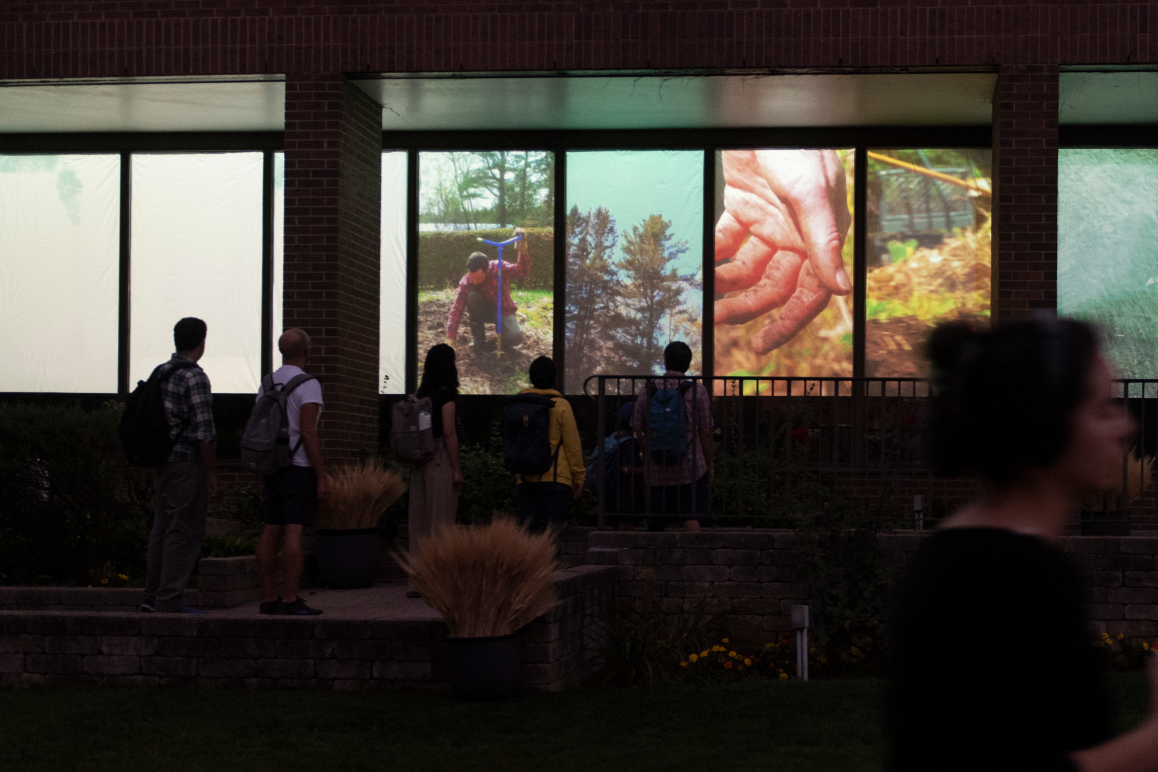
Crafting Connections brought this tradition into public view through a multisensory installation. Video projections in SVI’s twelve ground-floor windows showed the gestures behind the craft — the sowing, harvesting, gathering, drying, and preparing of the wheat. The video was created as a four-panel sequence, with each panel showing a different part of the didukh’s seasonal cycle. For the installation, this sequence was repeated in a round-robin across the twelve windows, creating a continuous loop that wrapped around the building and guided viewers through the complete cycle. The sound of wheat rustling and hands working encouraged people to pause and observe. Bundles of wheat were displayed throughout the location, where visitors could touch the materials while watching the video. There was also a craft workshop led by volunteers, many of them students from Ukraine studying in Toronto, who were also new to the tradition and embraced it, teaching others how to make didukh bundles throughout the night. A larger community didukh will be assembled with all the pieces later in the season.
You can watch a video clip from Nuit Blanche here:
We were fortunate to work with dedicated contributors whose expertise shaped the project: Sasha Theodora, Bozena Hrycyna, Vlada Fedorchenko, Arnaud Brassard, Svitlana Harahan (Dukh Didukh), and ABSTRKT (Audio and Visual).
Over the course of twelve hours, we watched Torontonians experience the installation in their own ways. Some stopped briefly, while others stayed to sit, listen, watch, and make a small didukh bundle. There was something immediate and grounding about working with natural materials like wheat and flax. Even for those encountering the tradition for the first time, the gestures and textures felt familiar, something that connected back to their own family histories or seasonal practices.
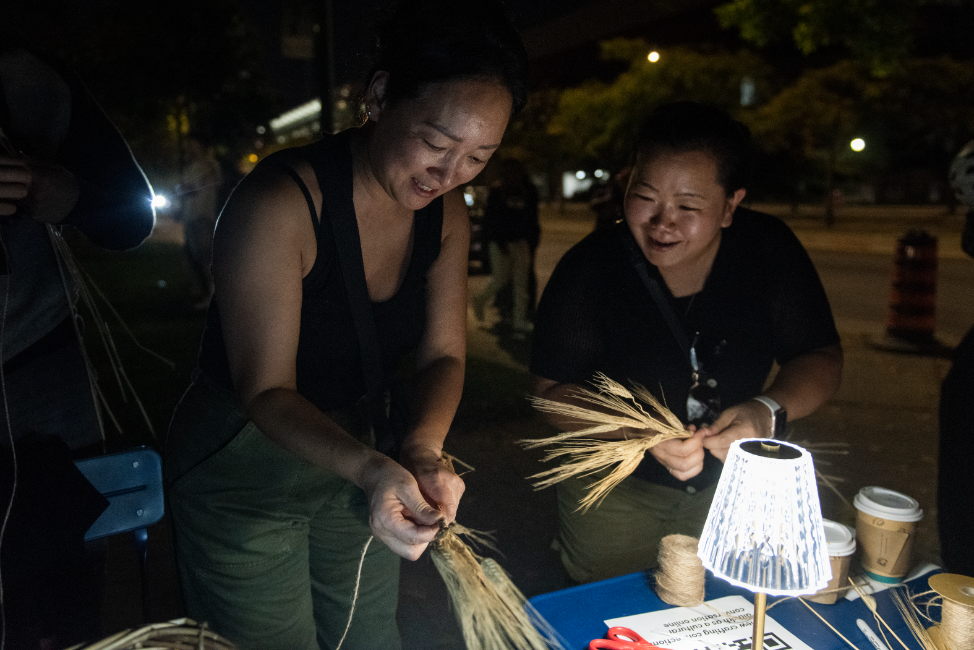
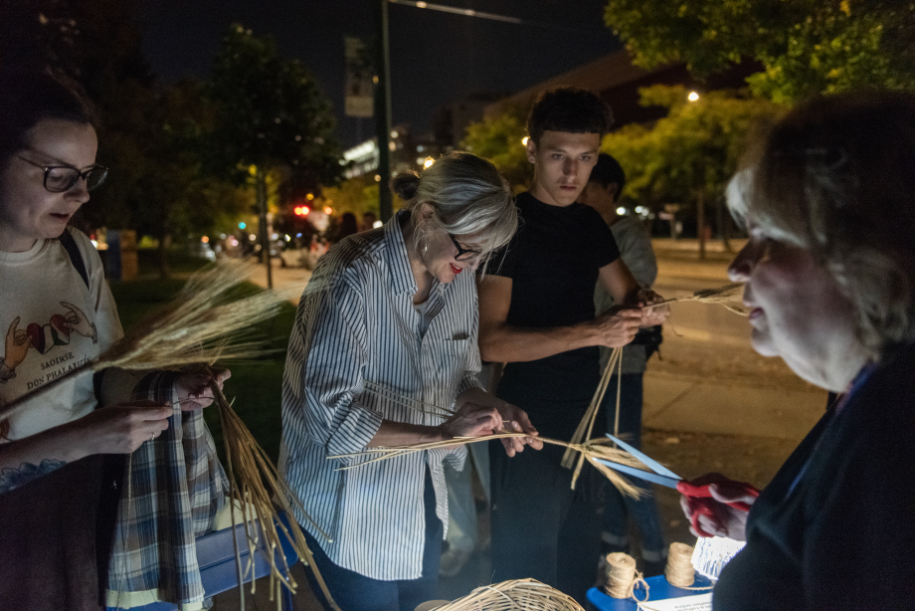
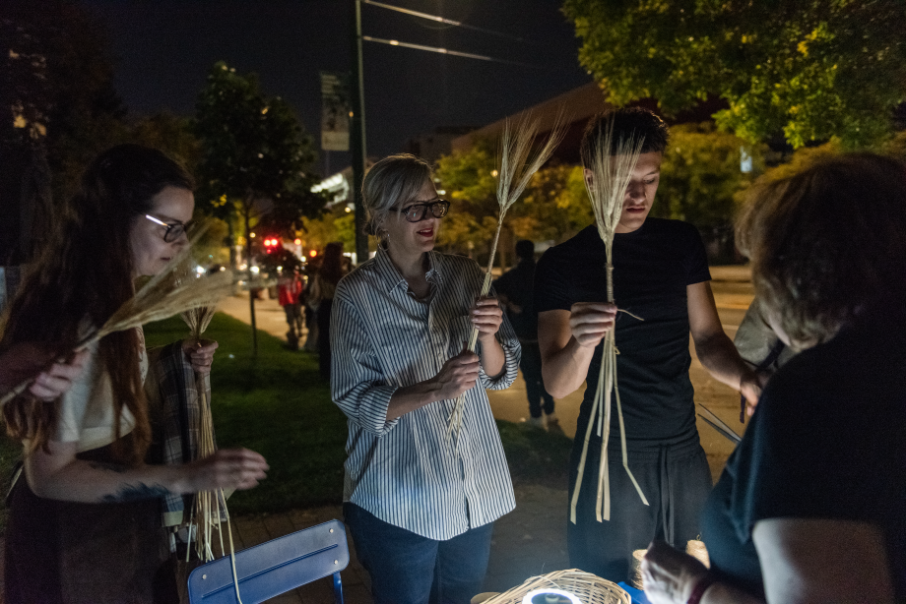
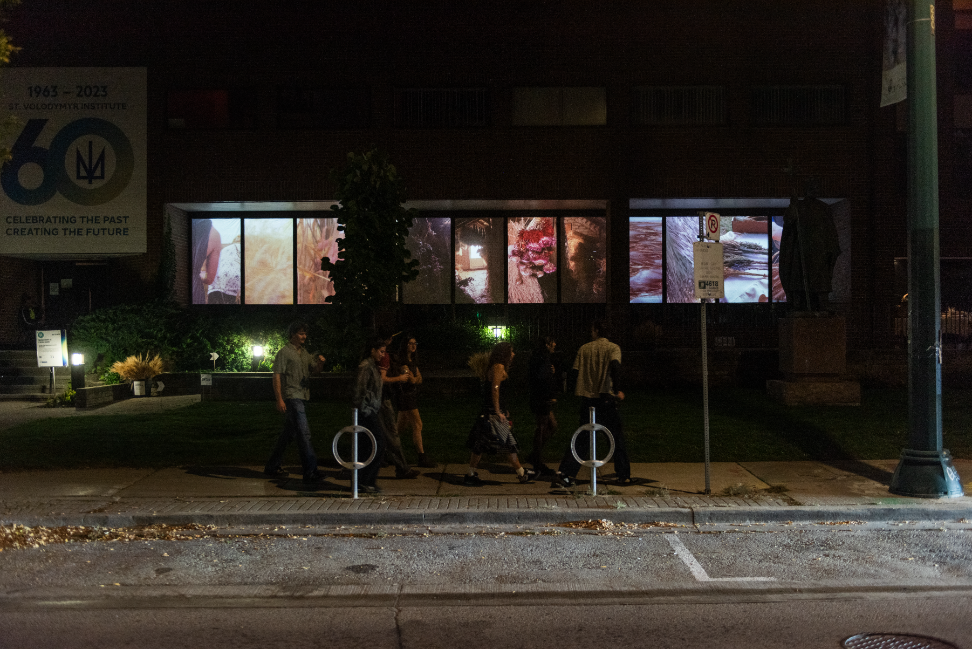
We could not have done it without our volunteers, who guided participants through the experience and helped share the craft and tradition with everyone who stopped by. Their presence created a welcoming environment and shaped the feeling of the night in a meaningful way.
We also acknowledge our project sponsors, the Shevchenko Foundation, the Toronto Ukrainian Foundation, and the SUS Foundation, whose support made it possible to bring this installation to Nuit Blanche at this scale and duration.
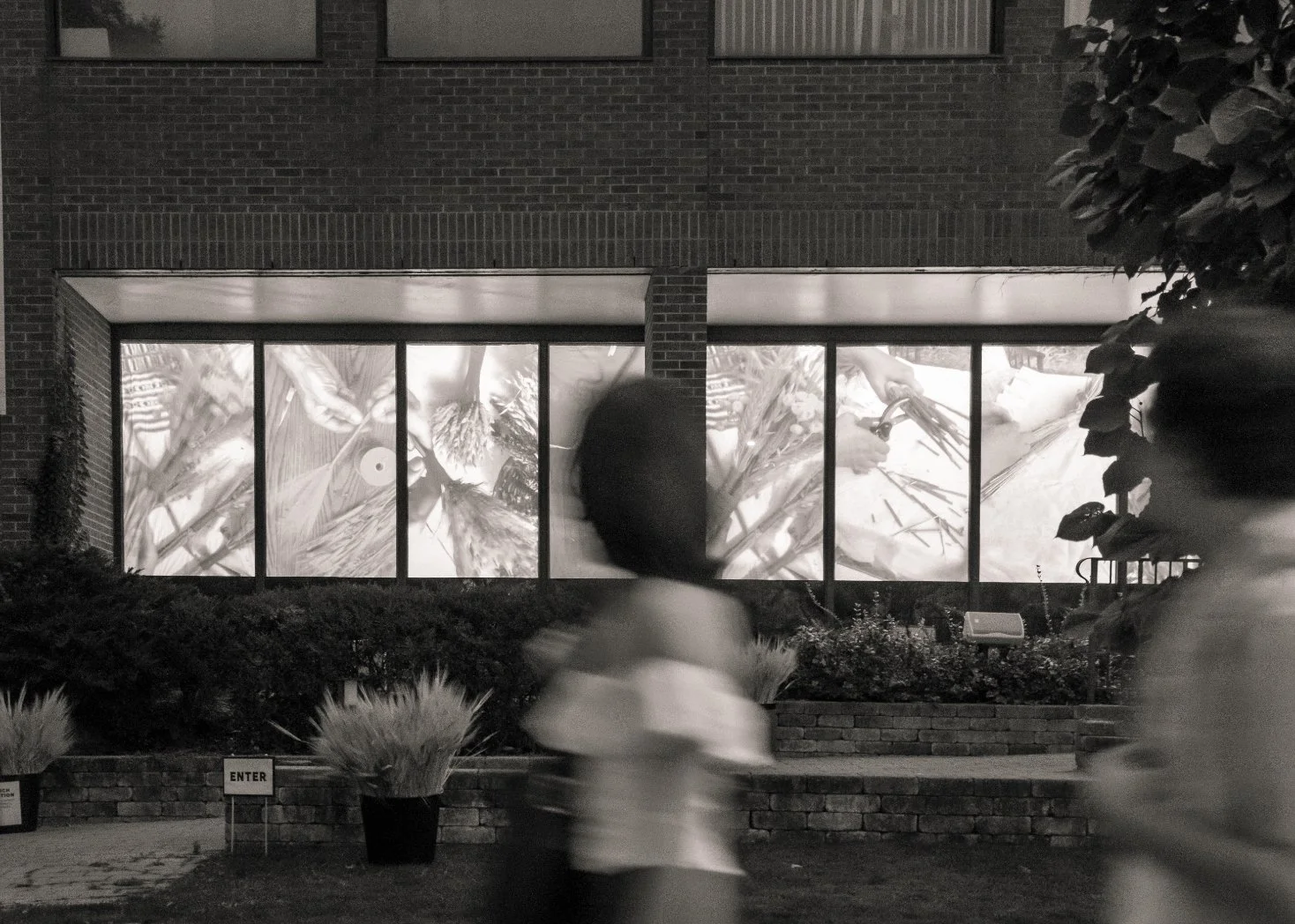
It was meaningful to present this work at 620 Spadina Avenue, the long-time home of Ukrainian cultural and educational activity in downtown Toronto. Sharing the didukh on this land, in this neighbourhood, reinforced the importance of keeping cultural practices alive and relevant, not only within the Ukrainian community but within the city’s broader cultural landscape. This site is located in Toronto (Tkaronto), on the traditional lands of the Mississaugas of the Credit, the Anishinaabeg, the Haudenosaunee, and the Wendat, and is now home to many diverse First Nations, Inuit, and Métis peoples. Acknowledging this context is especially important for a project rooted in land-based knowledge, seasonal cycles, and the care of natural materials. The didukh carries knowledge of land, ancestry, and seasonal cycles, and bringing it forward publicly allows these traditions to be understood, shared, and carried into the present.
As we assemble the community didukh from the bundles made that night, the project continues beyond a single object. The installation was a single moment within a broader process of making that includes teaching, learning, and sharing knowledge so that others can continue the practice in their own homes and communities. Shaped by many hands and connected to place, the work reflects how we are approaching programming at SVI, creating space for public art, learning, and shared cultural experiences. The community didukh is already taking form, and its progress can be seen at 620 Spadina Avenue.
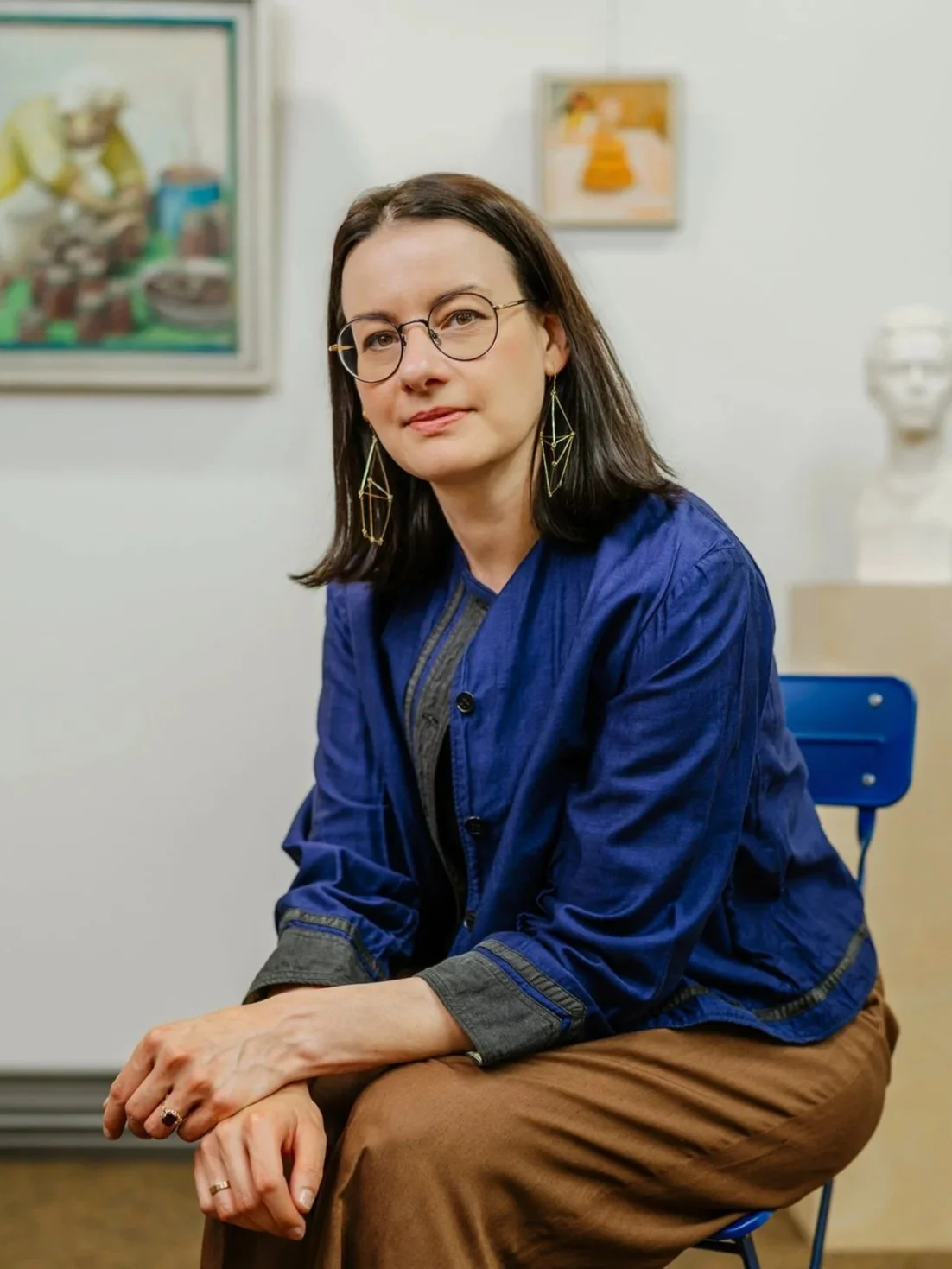
Oksana Hawrylak
Creative Director, SVI
Photos and video by Marta Iwanek
Photos by Anastasia Vysotska
